
Neck Pain Doctor NYC
Your comprehensive guide to finding the best neck pain doctor in New York City.

Board-Certified Pain Management and
Regenerative Medicine Physician In New York City
NPI#: 1538189642






Hi, I’m Dr. Sonali Lal, M.D. I’m a board-certified pain management physician with more than 20 years of experience practicing in New York City.
If you’ve been dealing with neck stiffness, radiating pain, or limited mobility, this article is here to provide clear and practical information. This article walks you through how to find the right neck pain specialist in NYC and what treatment options may be best for you.
My goal is to help you make informed decisions about your care, from understanding the most common causes and symptoms to exploring advanced treatment options available here in Manhattan.
Why New Yorkers Are Prone to Neck Pain?
Being a New Yorker myself, I understand how our city’s pace and daily routines can quietly wear down the neck and shoulders. The energy of New York is incredible, but it also means long commutes, long hours, heavy bags, and constant multitasking, all of which can leave the upper spine under persistent strain that can cause neck pain.

✓ Subway and Bus Posture
I see it every day: heads bent over phones, swaying in a crowded New York subway car. That forward-flexed position puts a lot of stress on the neck muscles and cervical spine.
✓ Long Hours at a Desk
Whether it’s in a Midtown office tower or a small apartment’s kitchen table, hours of leaning forward can tighten shoulders and strain your neck joints.
✓ One-Sided Bag Carrying
As New Yorkers, we carry our lives in our bags. But heavy totes or backpacks pulled over one shoulder can create muscle imbalances that lead to pain.
✓ High-Stress Lifestyle
The city’s fast pace keeps us sharp, but it also keeps our shoulders tense and jaws clenched, which can trigger chronic discomfort.
✓ Weekend Warrior Injuries
I love seeing New Yorkers stay active, but diving into intense workouts, spin classes, or sports without proper warm-up can lead to neck strains or nerve irritation.
I believe every patient deserves a personalized plan, not just a quick fix for symptoms. — Dr. Sonali Lal, MD
Meet Dr. Sonali Lal, M.D. | NY Board-certified Pain Management Physician
I’m Dr. Sonali Lal, M.D., a board-certified pain management and rehabilitation physician with more than 20 years of experience helping the New York community restore mobility and live pain-free. Over the years, I’ve had the privilege of caring for thousands of patients in New York City, specializing in advanced, non-surgical solutions for spine, joint, and musculoskeletal conditions.
I serve as an Attending Physician at NewYork–Presbyterian Hospital and an Assistant Clinical Professor at Columbia University, where I train the next generation of physicians in the greatest advancement of pain management techniques. My dedication to patient care has earned me recognition as one of Castle Connolly’s Best Doctors in New York City (2016–2019) and the honor of being named “Best Woman in Medicine” in 2017. I have also been featured in publications such as The New York Times and New York Magazine, highlighting my commitment to excellence in patient-centered care.
Whether you are dealing with whiplash, degenerative disc disease, or chronic stiffness from long commutes and desk work, my goal is always the same: to listen, diagnose carefully, and create a treatment plan that promotes healing while avoiding unnecessary surgery. If you are searching for trusted, evidence-based neck pain treatment in New York City, you’ll find both expertise and compassion in my care.
Understanding Your Neck Pain
Neck pain isn’t one-size-fits-all. The type of pain you experience, whether it’s a dull ache, sharp twinge, or radiating discomfort, can tell us a lot about its underlying cause. Here are the most common types of neck pain I diagnose and treat in my Manhattan Pain Management clinic:
1. Muscle Strain and Tension
What it feels like: A dull, aching stiffness that worsens with movement or after sitting in one position for too long.
2. Whiplash-Related Pain
What it feels like: Sharp pain, reduced range of motion, and sometimes headaches after a sudden, forceful movement of the neck.
3. Nerve-Related Neck Pain (Radiculopathy)
What it feels like: Shooting, burning, or tingling pain that radiates into the shoulders, arms, or hands.
4. Joint-Related Pain (Facet Joint Dysfunction)
What it feels like: Localized pain on one side of the neck, often worsened when turning the head.
5. Headache-Associated Neck Pain (Cervicogenic Headaches)
What it feels like: Pain that starts in the neck and radiates into the head, often felt behind one eye or temple.
6. Chronic Neck Pain from Degenerative Disc Disease
What it feels like: Persistent stiffness and pain, sometimes accompanied by nerve symptoms.
Identifying the specific type of neck pain is the first and most important step toward lasting relief. Without knowing the root cause, treatment becomes guesswork, and that’s not an approach I take with my patients.”— Dr. Sonali Lal, MD
Common Symptoms of Neck Pain
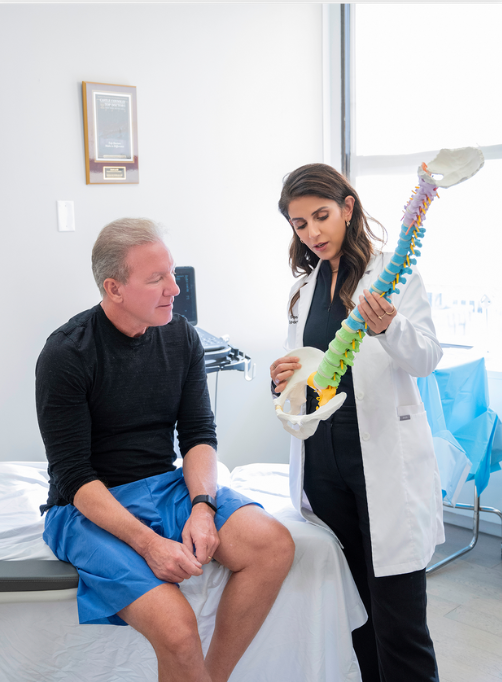
Neck pain doesn’t look the same for everyone. For some, it may feel like a constant dull ache; for others, it might be sharp, shooting pain that radiates into the shoulders, arms, or even the upper back. If you’re dealing with ongoing stiffness, limited mobility, or pain that interferes with sleep or daily activities, it may be time to seek professional care.
Visiting a trusted neck pain clinic in New York gives you access to expert evaluation and advanced treatments that can address the root cause before the problem worsens.
1. Persistent Stiffness
Difficulty turning your head or a “tight” feeling in the neck that lasts for days or weeks.
2. Sharp or Stabbing Pain
Sudden, intense pain that may occur with movement or even while resting.
3. Radiating Pain
Discomfort that travels from the neck into the shoulders, arms, or upper back.
4. Numbness or Tingling
A pins-and-needles sensation in the arms or hands, which may suggest nerve compression.
5. Muscle Weakness
Noticing that your grip strength or arm control is weaker than usual.
6. Headaches
Frequent headaches, particularly at the base of the skull, can often be linked to cervical spine issues.
I believe every patient deserves a personalized plan, not just a quick fix for symptoms. — Dr. Sonali Lal, MD
Common Causes of Neck Pain
Neck pain can arise from a variety of everyday habits, injuries, and medical conditions. Understanding the underlying cause is the first step toward effective relief. These are some of the issues I see most often when patients come in with neck pain:
1. Poor posture and muscle strain
Hours spent working at a desk, commuting, or looking down at devices can create extra stress on the cervical spine and supporting muscles. In many cases, a cervical spine specialist in NYC may be needed if conservative methods don’t provide relief.
2. Stress and muscle tension
High stress keeps the neck and shoulder muscles in a constant state of tension, which can lead to persistent stiffness and headaches. In these cases, a pain management doctor in NYC can evaluate the problem and recommend personalized, non-surgical therapies.
3. Whiplash and accidents
Sudden jerking movements of the head and neck, often caused by car accidents, falls, or sports-related injuries, can damage ligaments and muscles. A dedicated whiplash specialist can provide targeted neck injury treatment in New York City to reduce pain and help prevent long-term problems.
4. Degenerative disc disease in the neck
Age-related changes in the cervical discs can cause pain, stiffness, or nerve compression. Patients sometimes require evaluation for cervical radiculopathy treatment in NYC if pain radiates into the arms.
5. Herniated or bulging discs
When a disc presses on a nerve, pain may radiate into the shoulder or arm with numbness or tingling, especially during certain movements.
6. Arthritis and facet joint irritation
Wear and tear in the small joints of the neck can inflame tissues, limit range of motion, and create morning or weather-related stiffness.
“Pinpointing the exact cause of neck pain is what turns trial and error into a targeted plan that actually works.”— Dr. Sonali Lal, MD
Dr. Lal is a true miracle worker! I had been suffering from debilitating neck pain for months, unable to turn my head without wincing in agony. After receiving an injection from her, I experienced significant instant relief. Her expertise and gentle approach made all the difference. I can now move my neck freely and without pain. Thank you Dr. Lal for giving me my mobility and quality of life back!
– Zoe Lowney, Google Review
Top Reasons for New Yorkers to See a Specialized Neck Pain Doctor
In a city as busy as New York, it’s easy to ignore neck pain until it starts affecting your work, sleep, or ability to enjoy daily life. But certain symptoms should be a signal to see an experienced neck pain doctor in NYC right away:
- Pain that lasts more than two weeks without improvement.
- Neck stiffness or loss of movement that makes turning your head difficult.
- Pain following an accident or sudden movement may indicate whiplash.
- Numbness, tingling, or weakness in the arms or hands can point to nerve compression.
- Degenerative disc disease in the neck leads to chronic discomfort and reduced flexibility.
- Recurring flare-ups that interfere with your ability to work, commute, or exercise.
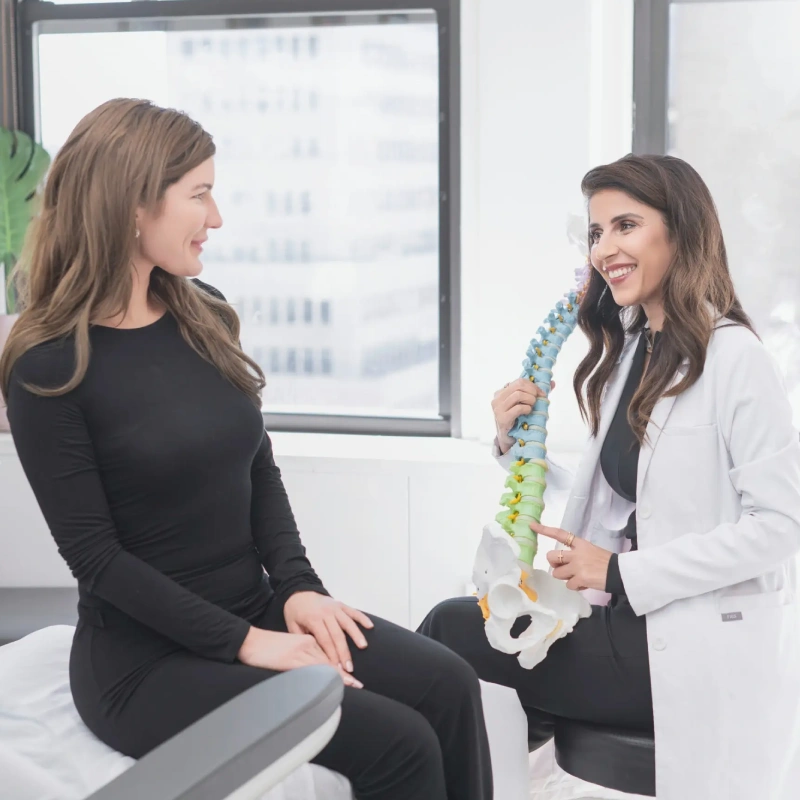
I always tell my patients that early diagnosis is key. The sooner we identify the cause of neck pain, the faster I can get you on a treatment plan that works.
Dr. Sonali Lal, MD
My Step-by-Step Process for Neck Pain Diagnosis in New York
When patients in Manhattan or anywhere in New York City come in with neck pain, the first step is a thorough cervical spine evaluation. My goal is to pinpoint the exact cause of discomfort, whether it’s from a recent injury, a long-term condition, or a combination of both.
Detailed Medical History & Neck Injury Assessment
Physical Examination
Advanced Imaging
Nerve Conduction Studies & Electromyography (EMG)
Specialized Testing When Needed
Comprehensive Review & Pain Management Consultation
Neck Pain Treatment Options In NYC
Treating neck pain effectively starts with understanding its root cause, and in Manhattan’s fast-paced environment, the right treatment plan can mean the difference between living with constant discomfort and returning to your daily activities without limitations. As a board-certified neck pain doctor in New York, I take a conservative-first approach whenever possible, then move to advanced therapies if needed. This ensures you get relief without unnecessary risks or downtime. Also, I follow evidence-based protocols, including the strict Mayo Clinic regulations for cell-based therapies to ensure my patients receive the safest, most advanced care available.
Non-Invasive Neck Pain Treatment
For many New Yorkers, the first stage of treatment involves non-surgical options designed to reduce inflammation, improve mobility, and strengthen the neck and supporting muscles. These may include:
1. Physical therapy and posture correction
Physical therapy and posture correction to counteract the strain from long hours at a desk or commuting.
2. Medication Management
Medication management for short-term pain relief, combined with lifestyle modifications.
3. Ergonomic Adjustments
Ergonomic adjustments for your workspace or home setup.
Minimally Invasive & Regenerative Therapies
If conservative care is not enough, I use advanced, minimally invasive procedures to target neck pain directly and promote healing. In my New York practice, some of the treatments I may recommend for conditions like degenerative disc disease in the neck or whiplash injuries include:
1. PRP (Platelet-Rich Plasma)
PRP Therapy to stimulate natural tissue repair.
2. Bone Marrow Cell Therapy or Microfragmented Adipose Tissue (MFAT)
MAFT therapy for regenerative support in stubborn or chronic cases.
3. Alpha-2-Macroglobulin Injections
to help slow degenerative changes in cervical discs.
4. Diagnostic Ultrasound
to pinpoint the exact pain source and guide injections with precision.
Targeted Pain Relief Procedures
When neck pain persists despite therapy, precise interventional treatments can bring rapid improvement:
1. Nerve Hydrodissection
to free entrapped nerves and restore normal function.
2. Intraosseous Injections
for cases involving facet joint arthritis or severe degenerative disc disease.
3. Prolotherapy or Perineural Therapy
to address ligament laxity and nerve irritation.
Because I also serve as an Assistant Clinical Professor at Columbia University and an Attending Physician at NewYork–Presbyterian Hospital, my approach is grounded in both academic expertise and real-world patient outcomes. Whether your neck pain stems from poor posture, an old sports injury, or years of desk work in Manhattan’s corporate offices, the right plan can make all the difference.
When patients share their symptoms, I listen carefully because even small details can point us toward the exact cause of their neck pain.
— Dr. Sonali Lal, MD
Prevention of Neck Pain in New York City
Neck pain is not always inevitable. Many cases can be reduced or even avoided by making small but consistent changes in daily habits. As a neck pain doctor in NYC, I see how urban lifestyles play a direct role in neck strain. Prevention is often the best treatment, especially for those at risk of chronic neck pain.
Everyday Habits That Make a Difference
1. Posture correction: Keeping your head aligned over your shoulders reduces stress on the cervical spine. Simple awareness throughout the day can prevent recurring tension.
2. Ergonomic tips for workstations: Adjusting screen height, using supportive chairs, and setting up standing desks can protect both your neck and upper back.
3. Stress management: In New York’s high-pressure environment, stress often shows up physically as tight muscles. Techniques like mindful breathing, meditation, or even short walks can help release neck and shoulder tension.
Strengthening and Movement
Neck strengthening exercises: Targeted routines help stabilize the muscles that support the cervical spine, making them more resilient to strain.
Frequent breaks: For Manhattan professionals who spend hours at their desks, setting reminders to stretch every hour prevents stiffness and promotes circulation.
Cervical spine support during rest: Choosing the right pillow can help maintain proper alignment overnight and reduce morning stiffness.
Lifestyle Adjustments for Long-Term Relief
Active commuting: Walking or biking instead of always sitting in traffic can keep your spine mobile.
Mindful phone use: “Text neck” is increasingly common. Holding your phone at eye level instead of looking down prevents added strain.
Hydration and nutrition: Even something as simple as staying hydrated supports spinal disc health and reduces degeneration risk.
Frequently Asked Question (FAQs on Neck Pain)
How Long Does Neck Pain Last?
Most acute cases resolve within 1–2 weeks, while conditions like whiplash or degenerative disc disease in the neck may last several months. Chronic pain that persists beyond 12 weeks often requires evaluation by a neck pain specialist in NYC.
When Should I See a Doctor for Neck Pain in New York City?
Can Stress Really Cause Neck Pain?
Is Neck Pain Different in Winter or Cold Weather?
Can a Whiplash Specialist in NYC Help Me After a Car Accident?
How Do I Know If My Neck Pain Is From a Disc Problem?
Can Neck Pain Be Managed Without Surgery?
I believe every patient deserves a personalized plan — not just a quick fix for symptoms.
— Dr. Sonali Lal, MD
Free Consultation
Schedule Your Free Consultation With a Board-Certified Neck Pain Doctor in NYC.
240 W 73rd St, New York, NY 10023
(212) 404-1009
Mon - Wed: 9 am–5 pm, Sat-Sun: Closed
How to Find Us
Dr. Sonali Lal, M.D. – 240 West 73rd Street, New York, NY 10023
Visiting our pain management clinic in Manhattan should be simple and stress-free. Below, you’ll find detailed directions whether you’re coming by subway, bus, car, or train — along with parking and accessibility information.
By Subway
72nd Street Station (1, 2, 3 trains): Just a 1-minute walk from our office.
81st Street: Museum of Natural History Station (B, C trains): About a 7-minute walk.
By Bus
Several buses stop within a block of our clinic, including:
Broadway & West 71st Street
Broadway & West 72nd Street
Amsterdam Avenue & West 72nd Street
Lines serving the area: M5, M7, M10, M11, M72, and crosstown lines M31/M57.
By Train
From Penn Station (LIRR, NJ Transit, Amtrak): Transfer to the 1/2/3 subway at 34th Street–Penn Station.
From Grand Central Terminal (Metro-North): Take the S shuttle to Times Square, then the 1/2/3 uptown to 72nd Street.
Driving & Parking
Nearest Garage: Champion Parking – The Level Club Condo Garage, 235 W 73rd St (just steps away).
Other Options: Schwab House Garage (350 W 74th St) and City Parking garages on Riverside Blvd & W 72nd St.
Street Parking: Limited, check signage carefully.
Parking Apps: SpotHero and BestParking offer reserved spots nearby.
Taxi & Rideshare
Ask your driver to take you to:
240 West 73rd Street, between Broadway and Amsterdam Avenue
We’re one block west of Lincoln Center and close to Central Park.
Accessibility
Street-level entrance with elevator access available.
Please call ahead if you need special assistance upon arrival