
Advanced PRP
for Hip Pain.
Hip pain can affect nearly every part of your daily life. From walking up stairs to simply getting out of bed, persistent discomfort shouldn't limit your quality of life.
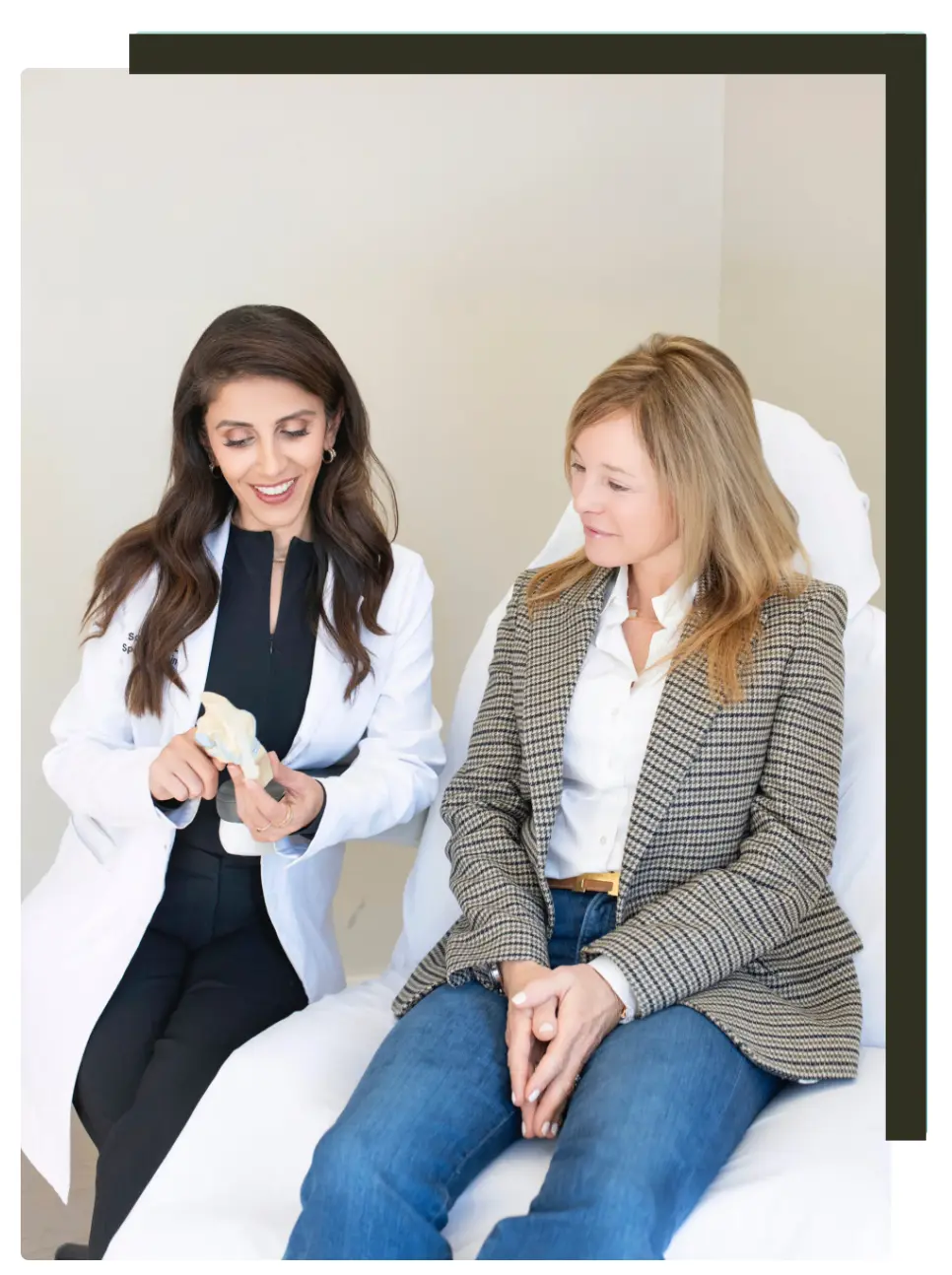
PRP for Hip Pain Upper West Side
Many patients come to me after months—or even years—of ongoing pain caused by arthritis, tendon injuries, bursitis, labral irritation, or overuse conditions. Platelet-Rich Plasma (PRP) therapy is an advanced regenerative option that uses components from your own blood to support the body’s natural healing response.
At my Upper West Side practice, I use detailed musculoskeletal evaluations and ultrasound-guided precision injections to improve treatment accuracy and personalize care for each patient. Unlike corticosteroid injections, which primarily suppress inflammation temporarily, PRP focuses on stimulating a healing response within damaged tissue.
Conditions PRP May Support:
Comprehensive Evaluation
Successful treatment depends on accurately identifying the pain generator. In some cases, lower back conditions, sacroiliac joint dysfunction, or nerve irritation can mimic hip pain. My evaluation includes:
The Precision Protocol
Platelet-Rich Plasma therapy involves isolating concentrated platelets containing growth factors and signaling proteins that play an important role in tissue healing.
Blood Draw
A small amount of your blood is drawn, similar to a routine laboratory test.
PRP Preparation
The sample is placed in a centrifuge to separate and concentrate the platelets.
Injection
Careful delivery using real-time ultrasound imaging to visualize tendons and joints.
Recovery
Patients return home same-day with personalized activity and rehab instructions.
Common Causes of Hip Pain
Determining the true source of pain—from the joint or surrounding tissues—is vital for successful treatment.
Hip Osteoarthritis
PRP may help reduce inflammation within the joint environment and support tissue repair for mild to moderate cartilage wear.
Gluteal Tendinopathy
Often mistaken for bursitis, this affects the tendons on the outer hip. PRP stimulates healing in chronically degenerated tendon tissue.
Hip Bursitis
Recurrent bursitis may indicate underlying tendon dysfunction. In select cases, PRP addresses the associated tissue damage.
Labral Irritation
For mild pathology, regenerative approaches can be part of a broader non-surgical plan to stabilize the hip cartilage ring.
Sports injuries
Targeting repetitive strain, muscle imbalance, and biomechanical dysfunction to help Manhattan athletes return to activity safely.
Key Hip Symptoms
- • Groin or outer hip pain
- • Difficulty climbing stairs
- • Pain while lying on one side
- • Clicking or catching sensations
- • Pain that radiates into the thigh
Is PRP Better Than Cortisone?
Corticosteroid Injections
Primarily reduce inflammation temporarily for short-term relief. However, repeated exposure may weaken certain tissues over time.
PRP Therapy
Focuses on supporting biological healing mechanisms within damaged tissue. In select patients, it may provide longer-term functional improvement.
Benefits of PRP Therapy
Personalized regenerative treatment using your body's own biological material. Outcomes depend on tissue quality, severity, and activity level.
- Minimally invasive
- No general anesthesia
- Reduced downtime
- Targeted precision
- Reduced inflammation
- Combined with rehab
Are You a Candidate?
- • Have chronic hip pain for months/years
- • Have mild to moderate arthritis
- • Want to avoid or delay surgery
- • Have not improved with conservative care
- • Seeking a regenerative medicine approach

Dr. Sonali Lal, M.D.
Board-Certified Physiatrist | 20+ Years Experience
I am Dr. Sonali Lal, an Attending Physician at NewYork–Presbyterian Hospital and Assistant Clinical Professor at Columbia University. I specialize in non-surgical orthopedic and regenerative treatments for spine, joint, tendon, and nerve conditions.
"I believe patients deserve honest guidance, careful evaluation, and treatment plans tailored to their specific goals—not a one-size-fits-all approach."
Recovery & Results
Some patients experience temporary soreness for several days. Improvement often develops gradually over several weeks. In chronic conditions, patients notice progressive improvement over several months.
Healing Process
Biological healing takes time. Gradual benefits often peak at 3-6 months.
PT Support
Exercises and physical therapy help optimize long-term outcomes.
Frequently Asked Questions
Is PRP painful?
Most patients tolerate it well. Some soreness and inflammation are common afterward because PRP stimulates a healing response.
How long does it take to work?
Healing timelines vary. Benefits occur gradually over several months as tissue healing progresses.
How many treatments are needed?
This depends on the severity of the condition and specific goals. Some patients improve after one treatment, while others benefit from a series.
Personalized Hip Care
If hip pain is limiting your mobility or daily activities, regenerative medicine may be worth exploring. Visit our Upper West Side clinic for an advanced evaluation.
New York Office
240 West 73rd Street, New York, NY 10023
Call Today
(212) 404-1009Verified Patient Reviews