
PRP for Meniscus Tears
in NYC
Non-Surgical Meniscus Tear Treatment on the Upper West Side. Recover safely, restore knee function, and return to the activities you enjoy.
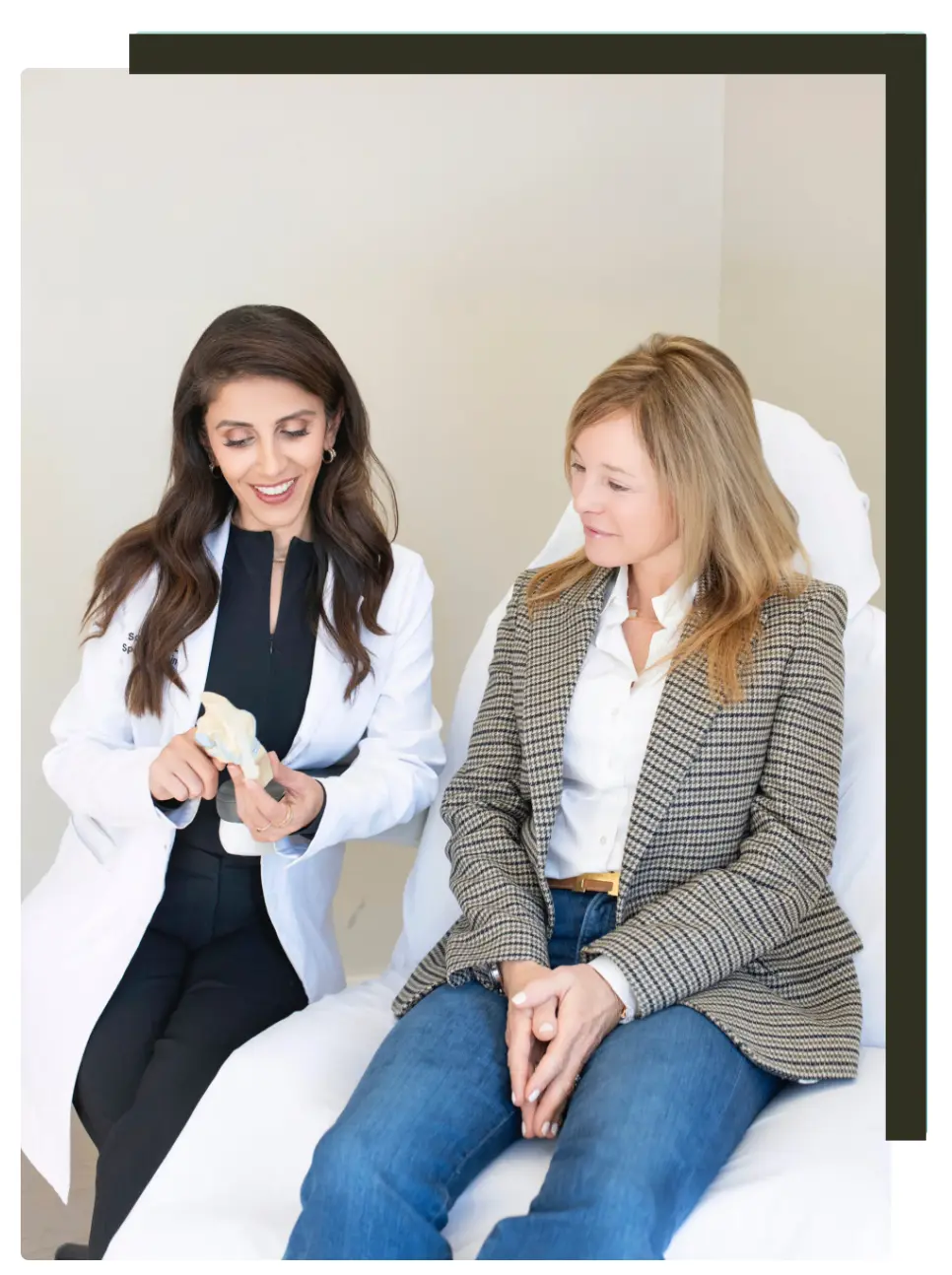
Non-Surgical Alternatives for Knee Injuries
A meniscus tear is one of the most common knee injuries I diagnose and treat in my practice. Whether the injury occurs during sports, exercise, a twisting movement, or simply as part of age-related degeneration, a torn meniscus can cause significant pain, swelling, stiffness, and limitations in daily activities.
Many patients are told that surgery is their only option. While surgery may be appropriate in certain cases, not every meniscus tear requires an operation. Depending on the type, location, and severity of the tear, regenerative medicine treatments such as PRP therapy may be considered as part of a comprehensive treatment plan.
As a board-certified physiatrist with more than 20 years of experience in musculoskeletal and sports medicine, I specialize in non-surgical orthopedic treatments designed to help patients reduce pain, improve knee function, and return to the activities they enjoy. At my Upper West Side office in NYC, I provide advanced PRP therapy for carefully selected patients with meniscus injuries and chronic knee pain. — Dr. Sonali Lal, M.D.
What Is a Meniscus Tear?
The meniscus is a C-shaped piece of cartilage located inside the knee joint. Each knee contains two menisci: the Medial meniscus (inner knee) and the Lateral meniscus (outer knee). These structures serve several critical roles including shock absorption, joint stabilization, load distribution, cartilage protection, and knee lubrication.
When the meniscus becomes damaged or torn, patients may experience pain and mechanical symptoms that interfere with movement and athletic performance. The meniscus has a limited blood supply, particularly in its inner portions. This limited circulation is one reason certain tears heal poorly on their own, making regenerative approaches increasingly valuable.
The Precision Protocol
The procedure is highly controlled, image-guided, and focused on precision. Delivering targeted growth factors directly to the damaged cartilage zones.
Blood Collection
A small sample of blood is drawn during your appointment in a sterile, comfortable clinical setting.
Platelet Concentration
The blood is processed using specialized centrifugation equipment to isolate platelet-rich plasma and concentrate growth factors.
Precision Injection
Using advanced image guidance, I carefully deliver the concentrated PRP directly to the targeted meniscus tear area.
Recovery Phase
Patients return home the same day with individualized post-procedure instructions to support gradual remodeling.
Common Causes & Overlapping Conditions
Differentiating structural cartilage tear characteristics from coexisting wear-and-tear arthritis within the knee joint.
Sports Injuries
Athletes frequently sustain meniscus injuries during sudden twisting movements while the foot remains planted. Highly common in running, basketball, soccer, tennis, skiing, football, and CrossFit.
Degenerative Meniscus Tears
As we age, the meniscus loses elasticity. Simple activities like squatting, kneeling, or stepping awkwardly can lead to a tear. These degenerative tears are especially common in adults over 40.
Knee Arthritis Coexistence
Meniscus degeneration and early knee osteoarthritis frequently coexist. In these complex cases, my evaluation focuses on identifying the primary pain generators and choosing the best non-surgical path.
Limited Blood Circulation
The inner portions of the meniscus lack direct vascular supply (the "white zone"), which prevents independent natural healing. PRP aims to jumpstart cellular signaling and inflammatory control.
Functional Limitations
Persistent pain with stairs, stiffness after prolonged sitting, clicking or locking of the joint, and instability can prevent you from enjoying your Manhattan lifestyle. PRP targets these dysfunctions.
Targeted Meniscus Symptoms
- • Localized knee joint pain and progressive swelling
- • Pronounced knee stiffness and limited range of motion
- • Mechanical clicking, popping, or locking of the joint
- • Difficulty squatting or climbing stairs comfortably
- • Knee instability and reduced athletic performance
Sports Medicine Differentiators
Many patients make the mistake of treating imaging findings instead of treating themselves. A meniscus tear requires more than simply identifying damaged tissue on an MRI. That’s why my approach evaluates your complete orthopedic history, biomechanics, movement patterns, specific athletic goals, functional limitations, and prior treatment failures. Importantly, MRI results alone do not determine treatment recommendations. Many patients have imaging abnormalities that are not responsible for their symptoms.
My goal is to correlate imaging findings with your clinical presentation to develop the most appropriate, personalized treatment plan. Rather than relying on standard corticosteroid injections that temporarily suppress inflammation, PRP therapy focuses on supporting biological repair mechanisms using your own biological material, providing a minimally invasive alternative to surgery.
Integrated Sports Rehabilitation
PRP is rarely used as a standalone treatment. To ensure optimal success and prevent recurring injuries, I integrate regenerative procedures with a structured rehabilitation strategy. This includes target-focused physical therapy, core and joint stabilization exercises, activity modification, biomechanical optimization, and sports-specific recovery drills.
Why Image Guidance Matters
The knee contains highly complex nerve pathways, ligaments, and tendons. Blind injections risk missing the targeted structure entirely. I utilize advanced musculoskeletal ultrasound and fluoroscopic imaging when appropriate to ensure precise placement of your autologous platelets directly into the damaged target tissues, maximizing safety and diagnostic confidence.
Determining Appropriateness
Before recommending PRP therapy, I carefully determine whether it is the most appropriate option based on your diagnosis, severity of tissue damage, and individual recovery goals. Not all meniscus tears are ideal candidates; severe, complex locking tears or advanced joint space loss may require alternate interventional approaches.
Many patients achieve complete, lasting recovery through conservative measures alone—including physical therapy, core strengthening, or ergonomic adjustments. However, when conservative therapy fails to provide full relief, PRP becomes an important part of treatment.
Why Patients Seek PRP Instead of Surgery
Active patients, weekend warriors, and professional athletes choose Platelet-Rich Plasma to avoid long-term surgery and medication reliance. PRP allows you to:
- • Utilize your body’s own natural healing and growth cells
- • Avoid invasive operations, general anesthesia, and prolonged hospital stays
- • Experience minimal downtime compared to surgical interventions
- • Integrate safely with other non-surgical plans, such as trigger point injections or targeted physical therapy

Dr. Sonali Lal, M.D.
Board-Certified Physiatrist | Sports Medicine Expert
I am Dr. Sonali Lal, a board-certified physiatrist with more than 20 years of experience specializing in musculoskeletal medicine, sports injuries, spine and joint conditions, and regenerative medicine. As an attending physician affiliated with NewYork–Presbyterian Hospital and Assistant Clinical Professor at Columbia University, I focus on non-surgical orthopedic care.
My practice offers a wide range of advanced non-surgical and regenerative procedures designed to help you avoid invasive operations, including PRP therapy, prolotherapy, platelet lysate therapy, and BMAC therapy. Whether you suffer from localized tendon stiffness, meniscus tears, or complex sports-related knee injuries, we prioritize finding the root pain generator through precise, patient-centered care.
"I believe patients deserve thoughtful, evidence-informed care with realistic expectations and clear communication every step of the way. We focus on diagnosing and treating the whole patient, not just their imaging findings."
Recovery & Expectations
Regenerative medicine is not an overnight fix. Because PRP works by supporting biological healing and tissue remodeling, progress is typically gradual rather than immediate.
Post-Procedure Symptoms
• Mild soreness or stiffness for several days
• Temporary inflammation (part of the healing response)
• Gradual relief over several weeks
Rehabilitative Support
• Physical therapy compliance
• Knee and joint stabilization
• Gradual return to athletic activities
Frequently Asked Questions
Is PRP painful?
Most patients tolerate the procedure well. Discomfort may occur during the injection and temporary soreness afterward is common, especially when treating chronically damaged or degenerated tissue.
How many PRP treatments are needed?
This depends on the condition being treated, the severity of tissue damage, individual response, and activity demands. Some patients notice improvement after a single session, while others require a series.
How long does it take to see results?
PRP works gradually by supporting biological repair. Some patients notice improvement within several weeks, while others continue improving over several months as tissue remodeling continues.
Is PRP better than cortisone injections?
They work differently. Cortisone is designed primarily to reduce inflammation temporarily for fast symptom relief. PRP is intended to support tissue healing and regeneration, addressing the underlying tendon degeneration directly.
Can PRP help avoid surgery?
In some patients with mild-to-moderate injuries, PRP can improve pain and function enough to delay or avoid surgery entirely. However, severe structural injuries may still require orthopedic surgical intervention.
Patient Success Stories
Verified Patient Recovery
Upper West Side Orthopedics
If you are struggling with a meniscus tear that has not improved with rest, therapy, or other conservative treatments, a thorough evaluation is the first step. Let's build a treatment plan centered around your long-term recovery.
240 West 73rd Street
New York, NY 10023
Call Office
(212) 404-1009