
PRP for Shoulder Pain
in NYC
A Regenerative Medicine Approach to Chronic Shoulder Pain by Dr. Sonali Lal, M.D. Advanced Platelet-Rich Plasma Therapy for Rotator Cuff Injuries, Tendon Pain, and Shoulder Arthritis in Manhattan.
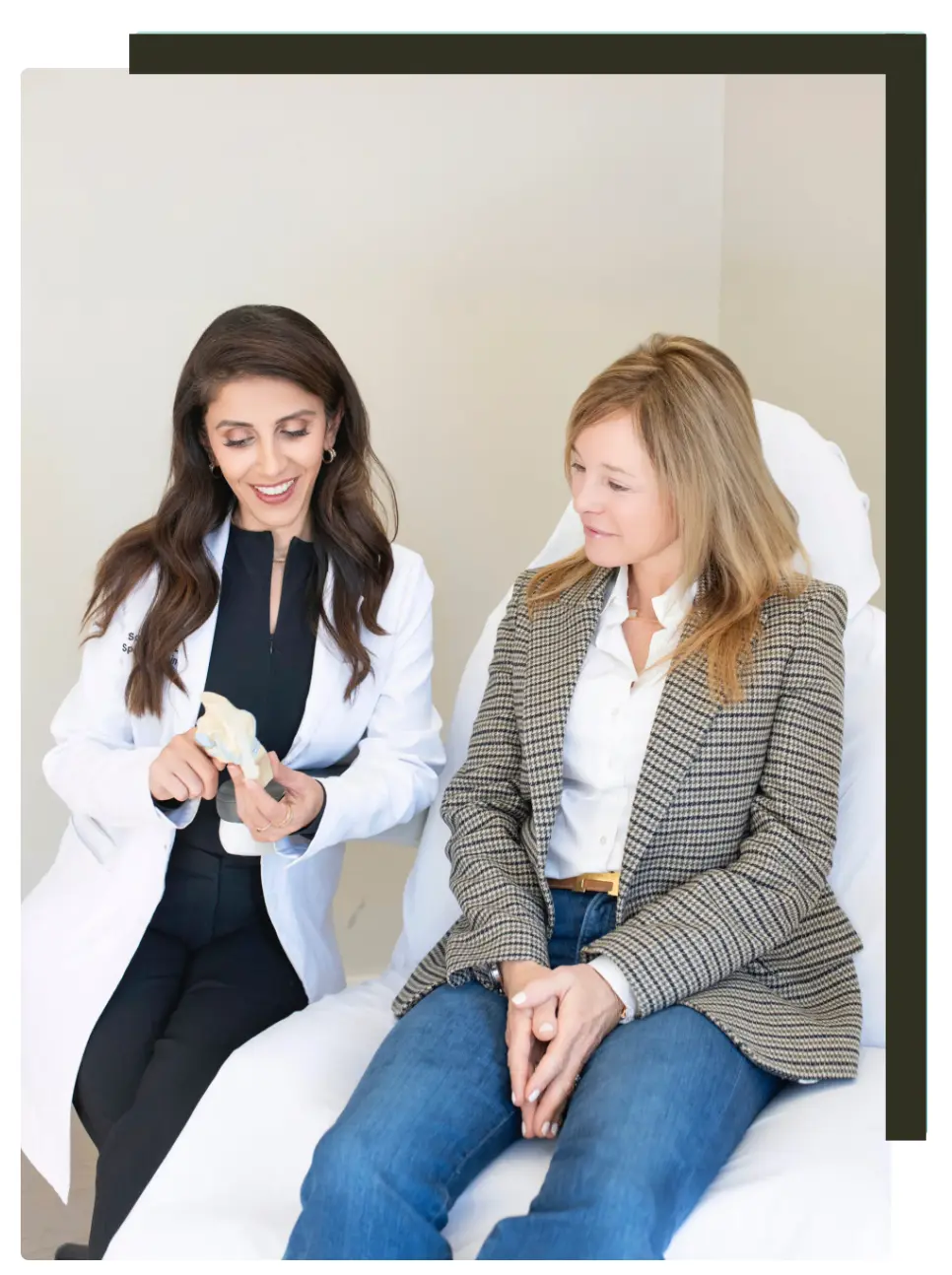
Physiatric Expertise & Restorative Care
I am Dr. Sonali Lal, M.D., a board-certified physiatrist with more than 20 years of experience in musculoskeletal medicine, regenerative orthopedics, and interventional procedures. As an Attending Physician at NewYork–Presbyterian Hospital and Assistant Clinical Professor at Columbia University, I specialize in helping patients find advanced non-surgical treatment options for chronic joint pain, sports injuries, tendon disorders, and orthopedic conditions.
If you have been searching for "PRP for shoulder pain near me", you are likely looking for a treatment that addresses more than symptoms alone. Many patients who come to my Manhattan practice want to remain active, avoid surgery when possible, and explore regenerative treatments that support the body's natural healing response.
Shoulder pain can have a significant impact on everyday life. Reaching overhead, lifting objects, exercising, carrying bags, sleeping comfortably, and even getting dressed may become difficult when shoulder pain becomes chronic. Many patients are surprised to learn that shoulder pain often develops gradually. What begins as occasional discomfort may eventually become persistent pain that interferes with work, exercise, recreation, and quality of life.
Platelet-Rich Plasma (PRP) therapy has become one of the most widely utilized regenerative orthopedic treatments because it uses components from your own blood to support the body's natural healing environment. As a physician specializing in regenerative orthopedics and image-guided procedures, I carefully evaluate every patient to determine whether PRP therapy is appropriate based on their diagnosis, imaging findings, symptoms, and long-term goals.
Understanding Why Shoulder Pain Develops
One of the first things I explain to patients is that shoulder pain is not a diagnosis. Many different structures within the shoulder can generate pain. The shoulder is one of the most complex joints in the body and relies on multiple structures working together to maintain stability and movement.
These complex architectural components include:
Before recommending any regenerative procedure, I perform a comprehensive evaluation to identify the exact structures contributing to symptoms. My approach focuses on identifying the true source of shoulder pain so treatment recommendations are based on accurate diagnosis rather than assumptions.
The Precision Protocol
The procedure is highly controlled, image-guided, and focused on precision. Delivering targeted growth factors directly to the damaged structural zones of your shoulder.
Blood Collection
A small sample of blood is collected in the office using standard, sterile clinical procedures, similar to a routine lab draw.
Centrifuge Processing
The blood sample is processed using specialized centrifuge equipment to separate and highly concentrate the platelets.
Image-Guided Injection
The concentrated platelet-rich plasma is precisely injected into the targeted structure under advanced real-time imaging guidance.
Conditions Evaluated for PRP Therapy
PRP therapy is not a one-size-fits-all treatment. Patient selection is critical. Each patient requires a thorough assessment to determine whether PRP therapy may be appropriate.
Rotator Cuff Tendinopathy
Degeneration and irritation of the rotator cuff tendons can cause pain during lifting, reaching, and exercise. This is one of the most common reasons patients seek regenerative treatment.
Partial Rotator Cuff Tears
Small tendon tears may contribute to weakness, discomfort, and functional limitations. Certain tendon injuries may be evaluated for regenerative therapy.
Shoulder Arthritis
Degenerative changes within the shoulder joint may contribute to stiffness and chronic pain. Patients with degenerative joint changes often seek non-surgical treatment options.
Chronic Tendon Injuries
Long-standing tendon disorders and degeneration may interfere with healing and recovery. These chronic conditions are carefully considered for PRP treatment.
Sports-Related Injuries
Athletes frequently seek regenerative therapies to support recovery, resolve repetitive strain, maintain active training schedules, and safely return to play.
Comprehensive Evaluated Conditions
- • Rotator cuff tendinopathy and cellular wear
- • Partial rotator cuff tendon tears and irritation
- • Shoulder arthritis and articular cartilage degeneration
- • Shoulder impingement causing capsule stiffness
- • Labral injuries and localized joint instability
Why Image Guidance Matters During PRP Procedures
Successful PRP therapy depends on more than the PRP itself. Precision matters. The shoulder contains multiple structures that sit close together. When performing PRP procedures, I utilize advanced ultrasound guidance to visualize rotator cuff tendons, bursa structures, joint spaces, areas of tendon degeneration, and sites of injury.
Image guidance helps ensure treatment is delivered precisely where it is intended. Patients are often surprised to learn how important procedural accuracy is when performing regenerative orthopedic procedures. I utilize advanced ultrasound-guided techniques designed to maximize procedural precision, safety, and individualized patient care.
Avoid Surgery & Stay Active
Patients throughout NYC often seek PRP because they want to maintain mobility, improve function, continue recreational activities, reduce pain, and explore less invasive treatment options. My role is helping patients understand all available treatment options and make informed decisions about their care.
Determining Appropriateness
One of the most common reasons patients seek PRP therapy is the desire to explore non-surgical options. I frequently hear: "I want to avoid surgery if possible," "I want to continue exercising," "I want to stay active," and "I am looking for alternatives before considering an operation." These concerns are understandable.
While surgery remains appropriate in certain situations, many patients first want to explore conservative and regenerative approaches. I help patients understand the benefits, limitations, and realistic expectations associated with regenerative orthopedic treatments.
Our Comprehensive Approach
PRP therapy is only one component of successful shoulder rehabilitation. When patients come to my practice seeking PRP for shoulder pain, I focus on developing a comprehensive treatment strategy that includes:
- • Physical therapy & rotator cuff strengthening programs
- • Targeted mobility exercises & postural correction
- • Ergonomic changes and postural realignment adjustments
- • Ongoing monitoring and integration with advanced solutions like trigger point injections, prolotherapy, platelet lysate therapy, or BMAC therapy

Dr. Sonali Lal, M.D.
Board-Certified Physiatrist | 20+ Years Experience
I am Dr. Sonali Lal, M.D., a board-certified physiatrist with more than 20 years of experience in musculoskeletal medicine, regenerative orthopedics, and interventional procedures. As an Attending Physician at NewYork–Presbyterian Hospital and Assistant Clinical Professor at Columbia University, I specialize in helping patients find advanced non-surgical treatment options for chronic joint pain, sports injuries, tendon disorders, and orthopedic conditions.
My practice offers a wide range of advanced non-surgical and regenerative procedures designed to help you avoid invasive operations, including PRP therapy, prolotherapy, platelet lysate therapy, and BMAC therapy. Whether you suffer from localized shoulder joint stiffness, sports-related injuries, or complex musculoskeletal pain, we prioritize finding the root pain generator through precise, patient-centered care.
"I believe patients deserve thoughtful evaluations, evidence-based recommendations, and treatment plans tailored to their diagnosis, goals, and lifestyle. We focus on diagnosing and treating the whole patient, not just their imaging findings."
Expectations & Recovery
Every patient's recovery is unique. Some notice improvement within several days, while others notice progressive, gradual benefits over a few weeks as inflammation and joint stiffness subside.
Procedural Expectations
• Highly controlled ultrasound guidance
• Real-time image precision
• Delivered directly into the targeted joint or tendon
Rehabilitative Integration
• Physical therapy & stabilization support
• Core and upper extremity strengthening
• Postural correction adjustments
Frequently Asked Questions
What is PRP therapy for shoulder pain?
PRP therapy uses concentrated platelets from your own blood to support the body's natural healing environment within injured shoulder tissues. I regularly perform this procedure under precise ultrasound guidance at my Upper West Side clinic.
Can PRP help rotator cuff injuries?
Many patients with rotator cuff tendinopathy or partial tears seek evaluation for PRP therapy as part of a comprehensive non-surgical treatment plan to reduce localized tendon wear.
Can PRP help shoulder arthritis?
Some patients with shoulder arthritis may be evaluated for PRP treatment depending on their symptoms, imaging findings, and treatment goals. A thorough exam is always required.
How do I know if I am a candidate for PRP?
A comprehensive evaluation including a physical examination, imaging review, and discussion of your goals is necessary to determine candidacy. We map out your entire upper extremity mechanics.
Is PRP surgery?
No. PRP therapy is a minimally invasive regenerative orthopedic procedure and is very different from surgical treatment. It requires zero general anesthesia and minimal downtime.
Patient Success Stories
Verified Patient Recovery
Upper West Side Orthopedics
If you are searching for a shoulder injection or PRP specialist near me in NYC or the 10023 area, I invite you to schedule a consultation. Let's identify the true source of your shoulder pain and build a treatment plan centered around your long-term recovery.
240 West 73rd Street
New York, NY 10023
Call Office
(212) 404-1009