
Why Active Professionals in Midtown Develop Tendon Injuries
Midtown Manhattan is one of the busiest business districts in the world. Long workdays, frequent commuting, and high-intensity workouts place tremendous stress on your body's tendons. Find efficient, evidence-based, non-surgical relief with Dr. Sonali Lal.
Chronic tendon irritation and degeneration in corporate life
While tendon injuries are often associated with athletes, I regularly treat executives, healthcare professionals, attorneys, finance professionals, teachers, and other active adults who develop chronic tendon pain despite never participating in competitive sports.
My name is Dr. Sonali Lal, M.D., and I am a board-certified Physical Medicine and Rehabilitation physician. As an Attending Physician at NewYork-Presbyterian Hospital, I specialize in identifying the structural drivers behind overuse problems. Busy professionals often combine sitting at a desk, frequent computer use, daily commuting, and intense workouts with limited recovery time—causing microscopic tissue damage that accumulates faster than the body can repair it. Although my office is on the Upper West Side, I regularly care for Midtown professionals looking for expert care close to where they spend their day.
- Addresses strain from repetitive work motions like continuous typing and mouse use.
- Targets injury spikes from rapid shifts into early morning or evening workout routines.
- Focuses on long-term tissue health, function, and future recurrence prevention.
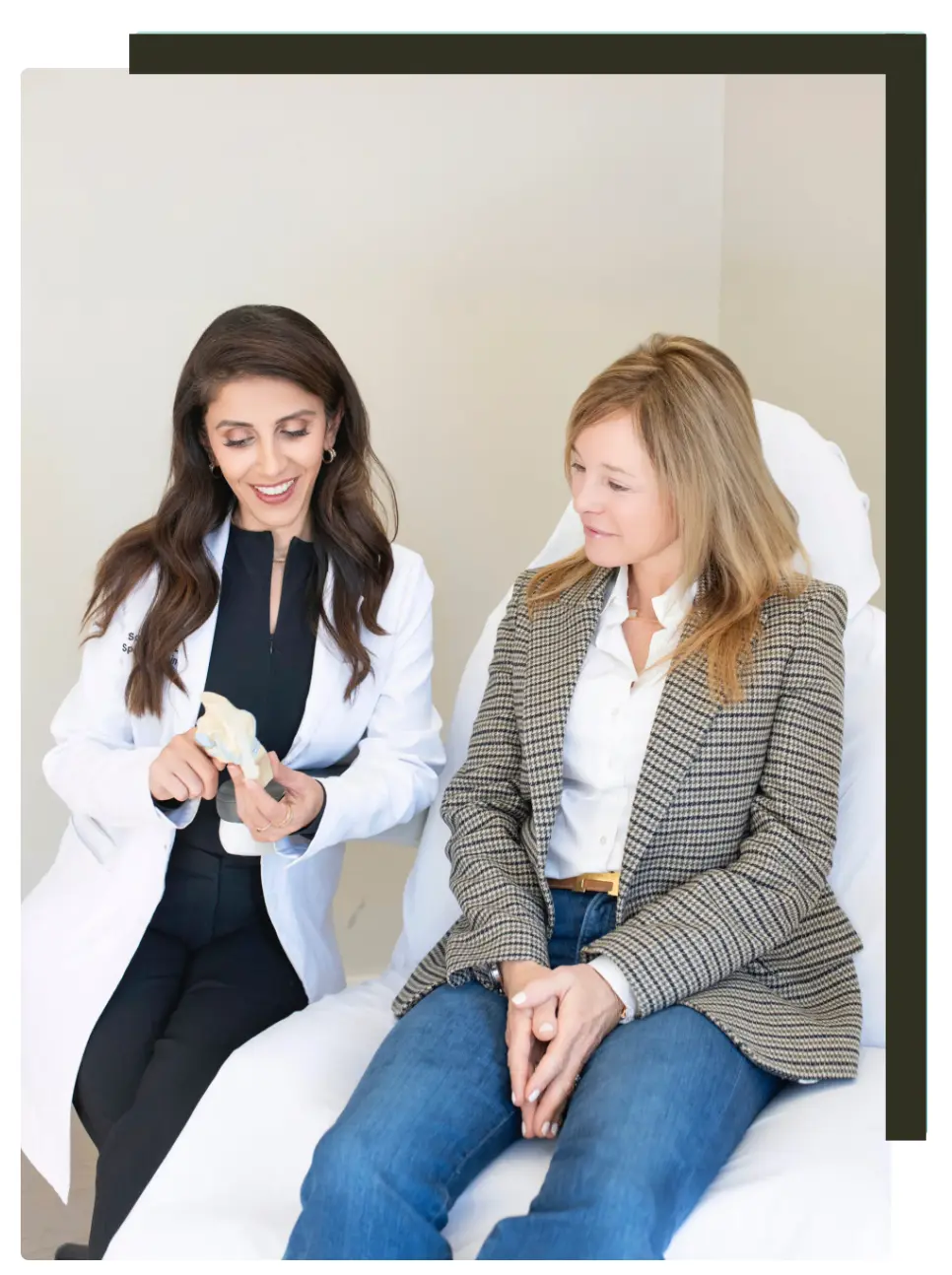
Tendon injuries commonly evaluated and treated
Repetitive mechanical strain from poor office ergonomics combined with intense athletic pacing after work can stress several key structural tissues across the body.
Shoulder & Rotator Cuff
Treating rotator cuff tendinopathy and strain caused by carrying heavy work bags, overhead reaching, or lifting weights during fitness classes.
Elbow & Forearm
Managing Tennis Elbow (lateral epicondylitis) and Golfer's Elbow caused by continuous typing, mouse use, or racket sports like pickleball.
Heel & Achilles
Alleviating persistent Achilles tendinopathy triggered by rapid increases in running volume in Central Park or repetitive daily walking in heels/dress shoes.
Knee & Patellar
Addressing patellar tendinopathy and related loading tension resulting from high-impact jumping exercises, climbing stairs, or cycling.
Hip & Hamstring
Resolving structural gluteal and hamstring tendinopathy aggravated by prolonged standing periods, sprinting, or poor seated workspace support.
Hand & Wrist
Isolating conditions such as De Quervain's tenosynovitis stemming from sub-optimal keyboard configurations and repetitive wrist actions.
Why an accurate medical diagnosis matters
Persistent tendon pain is not always caused by the tendon itself. Symptoms may also originate from joint arthritis, bursitis, ligament injuries, local nerve compression, or referred spinal pain.
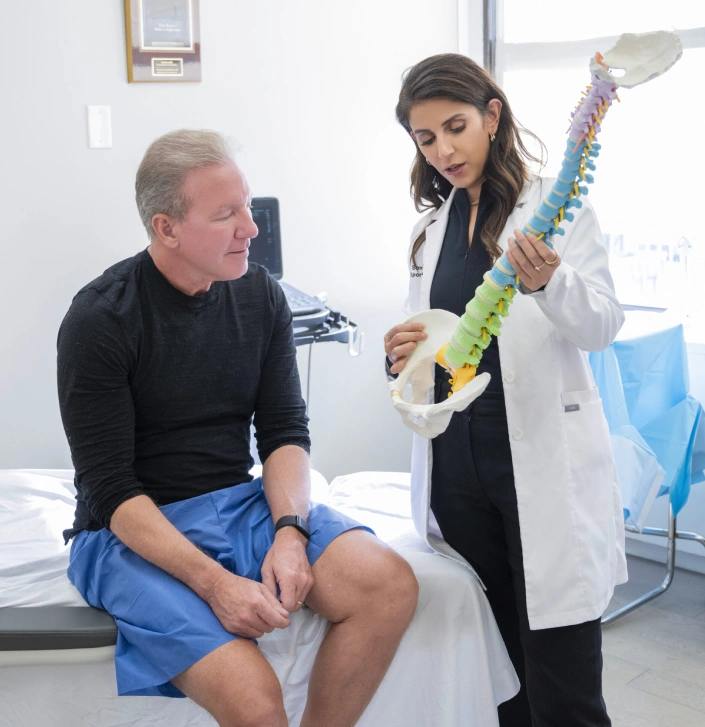
Medical History
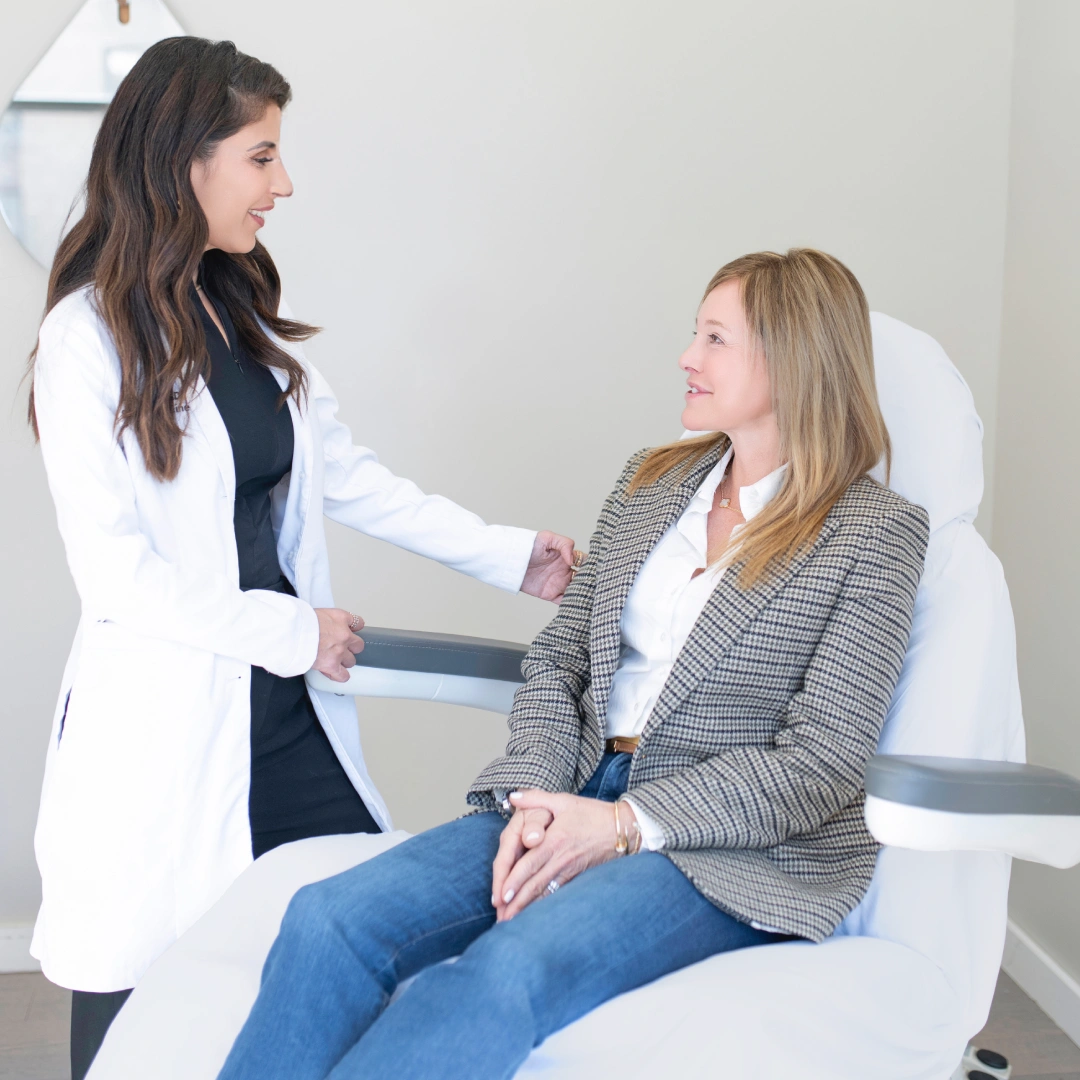
A comprehensive review analyzing specific workplace habits, ergonomics, exercise tracking, and symptoms.
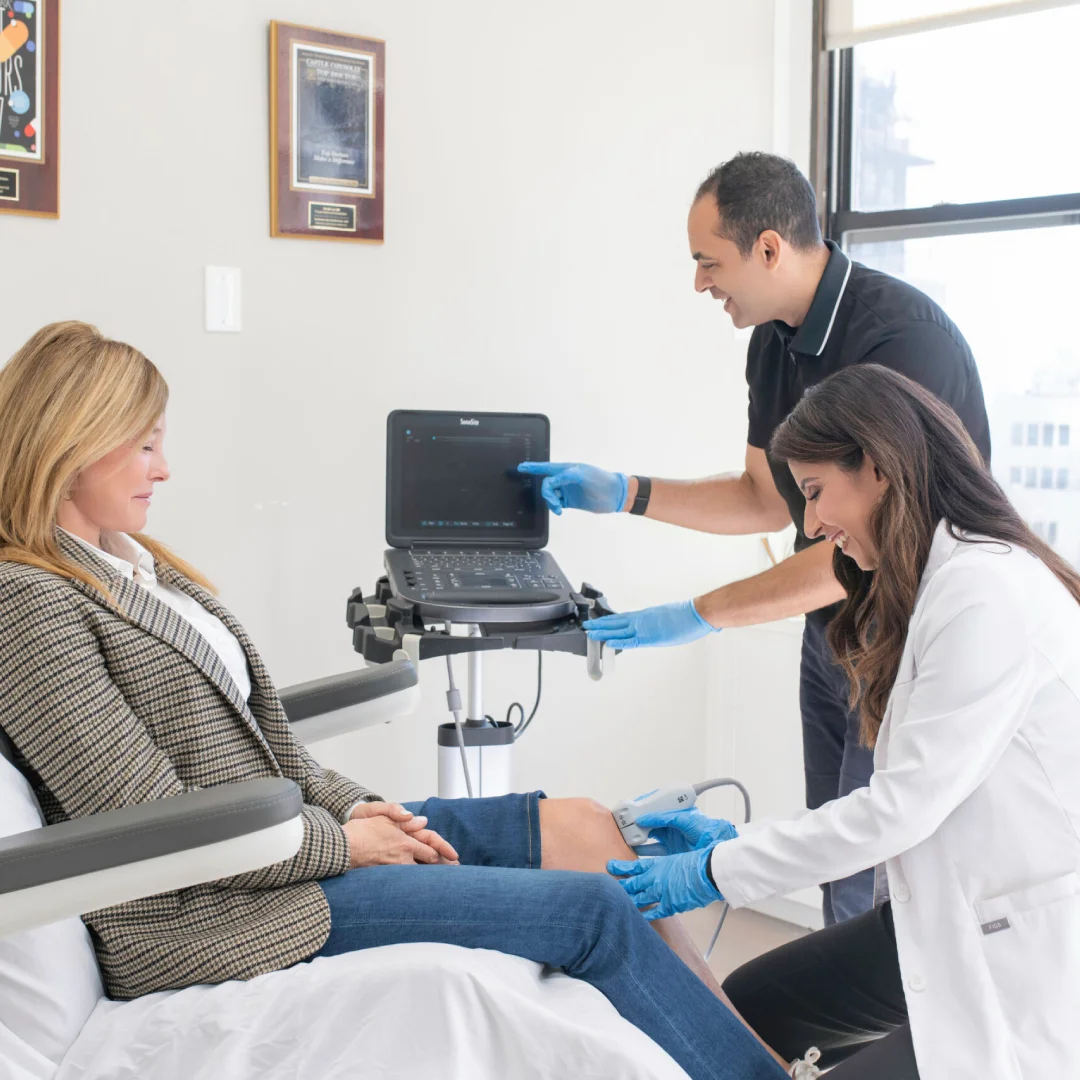
Physical Exam
A targeted hands-on assessment to locate precise areas of tissue tenderness and reproduce localized discomfort.
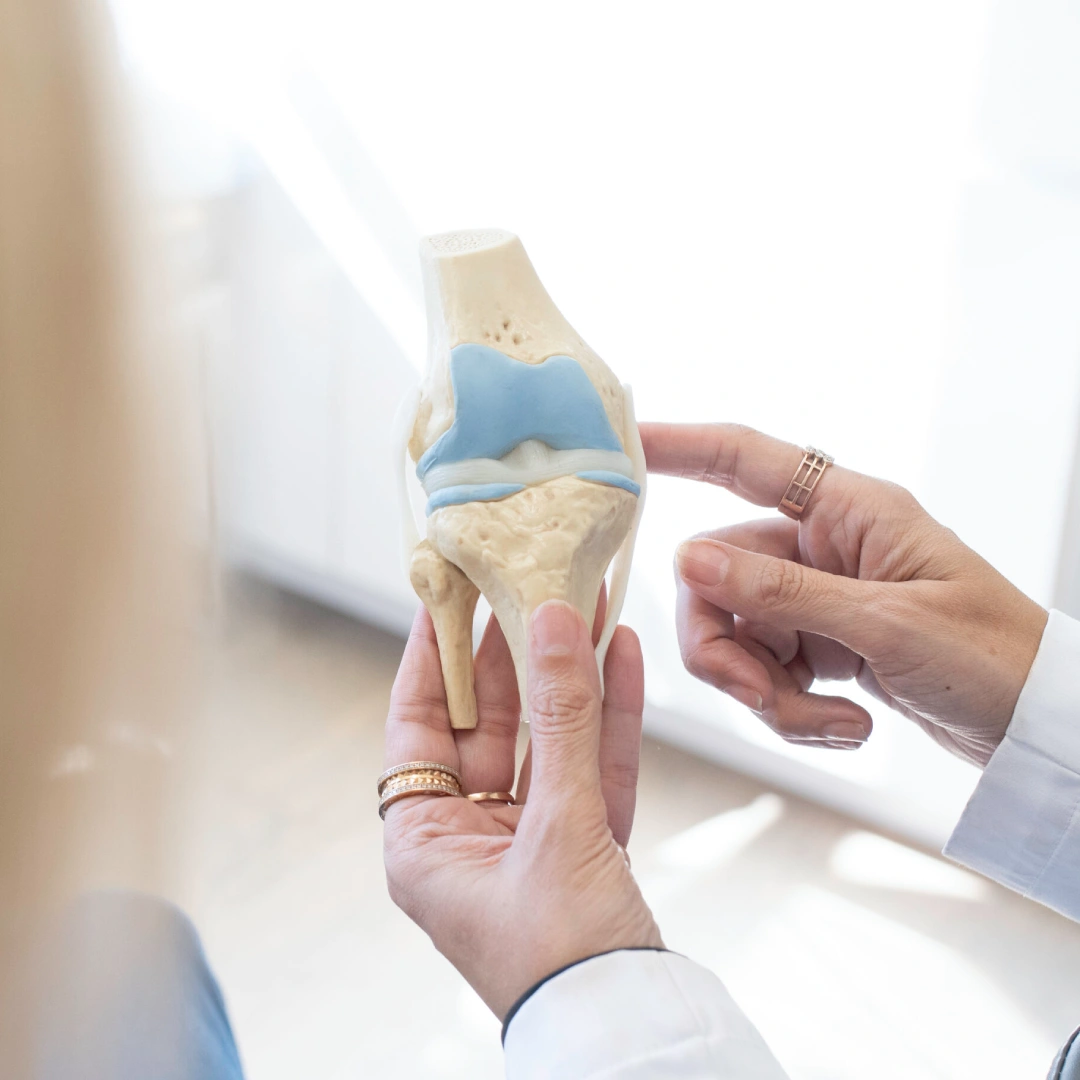
Movement Check
Evaluating active physical patterns, tissue loading tolerance, and regional joint flexibility dynamics.
Imaging Review
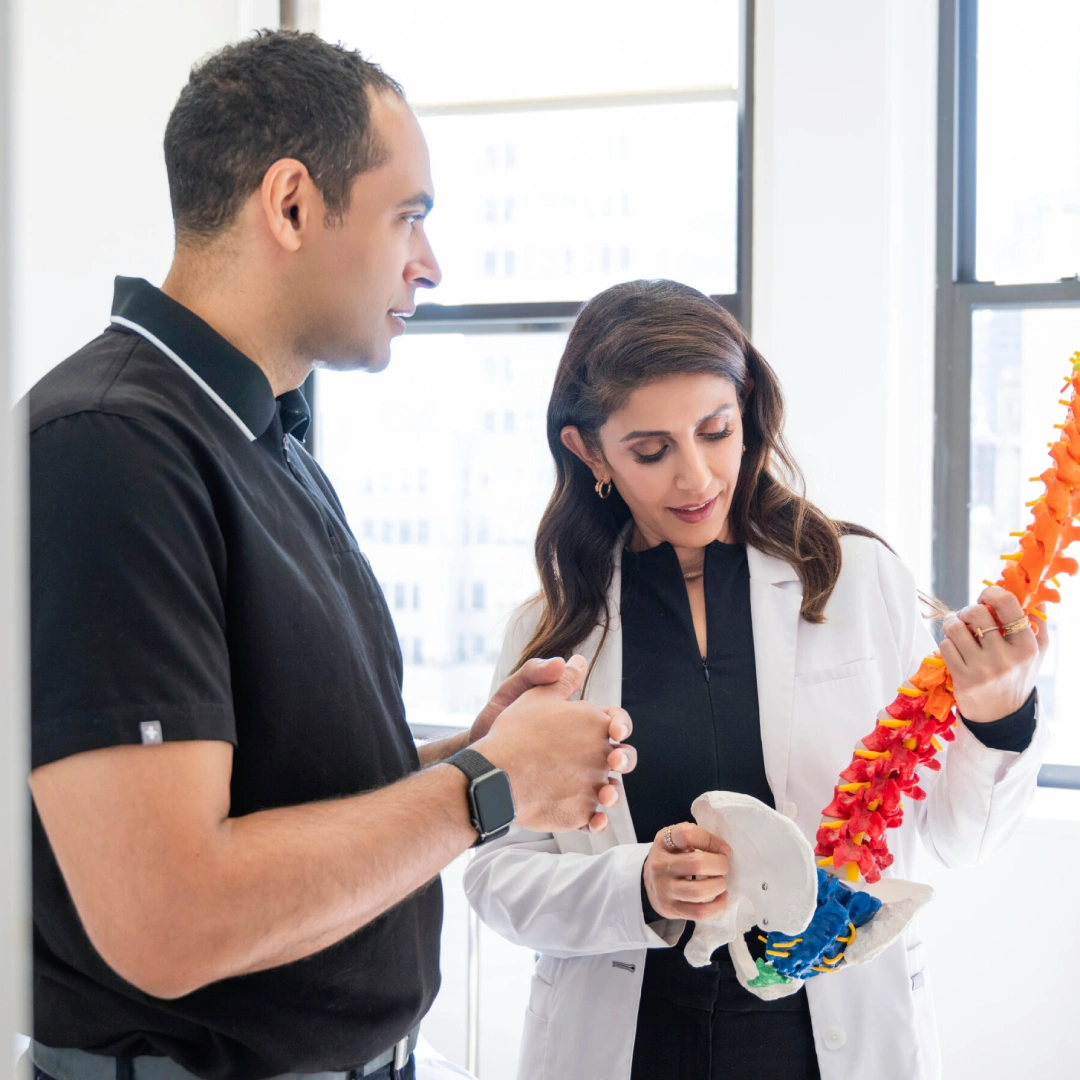
Meticulous review of high-resolution MRI scans, X-rays, or diagnostic ultrasound studies to identify tissue changes.
Custom Plan
Crafting a definitive, structured, non-surgical roadmap aligned with your professional and workout routine timelines.
Targeted non-surgical options for tendon recovery
The goal is not simply to reduce pain but to improve tendon health, restore function, and reduce the likelihood of future injury.
We apply comprehensive interventions to correct workplace stressors alongside active biological management. Small adjustments to your workspace environment can minimize micro-strain, providing a foundation for long-term joint and tendon recovery.
- Activity Modification
- Targeted Physical Therapy
- Workplace Ergonomics
- Image-Guided Injections
- Platelet-Rich Plasma (PRP)
- Advanced Orthobiologic BMAC

Bridging sports medicine and occupational overuse care
Active adults choose my practice because they want efficient, evidence-based care from a physician who understands both sports injuries and corporate occupational strain conditions.
Hear from Dr. Lal and her patients
These videos introduce Dr. Lal's care philosophy and share patient experiences with pain management, PRP, Botox, and trigger point treatment.
Meet Dr. Lal
Learn more about the physician behind the specialized Manhattan practice.
Pain relief with PRP
A patient testimonial about PRP and pain relief.
Trigger point testimonial
A patient story focused on trigger point care.
Back pain relief with Botox
Carmen shares how she is feeling after Botox for back pain.
Pain management testimonial
A patient shares their experience with Dr. Lal's pain management care.
Trusted by Manhattan patients
Patient feedback helps new visitors understand the clinical experience before scheduling a consultation.
What busy professionals ask about tendon pain
Answering frequent clinical questions regarding occupational strain and overuse injury management.
Why do non-athletes develop chronic tendon injuries?
Long hours sitting at a desk, frequent computer use, daily commuting, and repetitive physical actions can overload tendons. This stress causes microscopic tissue damage that accumulates faster than the body can naturally repair it.
How do poor workplace ergonomics affect your tendons?
Improper desk setups increase localized biomechanical strain on the neck, shoulders, elbows, wrists, and hands. Small, strategic modifications to monitor height, keyboard position, and seat support help minimize this occupational strain.
Can persistent tendon pain mimic other conditions?
Yes. Chronic pain symptoms that appear to be tendon issues may actually originate from joint arthritis, localized bursitis, ligament injuries, nerve compression, or referred pain stemming from the cervical or lumbar spine.
Is the practice accessible for professionals commuting from Midtown?
Yes. Our Upper West Side office is centrally located and easily accessible for patients traveling from or working near Bryant Park, Grand Central, Hudson Yards, Times Square, and surrounding Midtown Manhattan commercial hubs.
Return to work and exercise with greater confidence
If persistent tendon pain is affecting your work, workouts, or quality of life, don't ignore it. I invite you to schedule a comprehensive evaluation to determine the underlying cause of your symptoms and explore personalized, non-surgical treatment options. Together, we can develop a plan to reduce pain, restore function, and help you stay active in both your professional and personal life.
240 West 73rd Street
New York, NY 10023
Mon to Fri
9:00 AM to 5:00 PM