
Running Injuries in Williamsburg: Expert Prevention and Treatment
Williamsburg has become one of Brooklyn's most active neighborhoods. From morning runs along the East River Waterfront, training sessions at McCarren Park, and weekend races throughout New York City to daily miles across the Williamsburg Bridge, local runners place significant demands on their bodies. Discover a precise, non-surgical treatment pathway with Dr. Sonali Lal.
Why Running Injuries Occur
Running injuries rarely result from a single step. Instead, they often develop gradually from repetitive stress placed on the body over months or training seasons.
Most running injuries are caused by a combination of factors rather than a single event. Overuse injuries develop gradually, placing progressive strain on muscles, tendons, ligaments, and joints. Identifying these contributing factors is essential for long-term recovery and injury prevention.
- Increasing mileage too quickly
- Poor running mechanics
- Muscle weakness or imbalance
- Inadequate rest and recovery
- Tight muscles & flexibility deficits
- Improper or worn-out footwear
- Running on uneven urban surfaces
- Unresolved prior sports injuries

Common Running Injuries We Evaluate
Running places repetitive stress on your joints, tendons, and muscles. Ignoring minor aches can lead to chronic issues that prevent you from completing your miles.
Runner's Knee & ITB
Patellofemoral pain syndrome and lateral knee irritation caused by biomechanical friction or tracking issues.
Achilles Tendinopathy
Local stiffness, swelling, and localized pain directly along the Achilles tendon that limits explosive movement.
Plantar Fasciitis
Persistent heel and arch discomfort that is typically most severe during your very first morning steps.
Shin Splints & Stress
Shin splints and early-stage bone stress reactions that must be caught before progressing to a structural fracture.
Hamstring & Gluteal
Deep muscular pulls, hamstring tendon tightness, and gluteal tendinopathy related to poor hip stability.
Ankle & Calf Strains
Ankle ligament sprains, calf pulls, and mechanical compensation pain stemming from running form issues.
A Comprehensive Biomechanical Evaluation
Rather than treating isolated symptoms, Dr. Lal focuses on identifying the mechanical cause of your pain to build an accurate, non-surgical recovery plan.
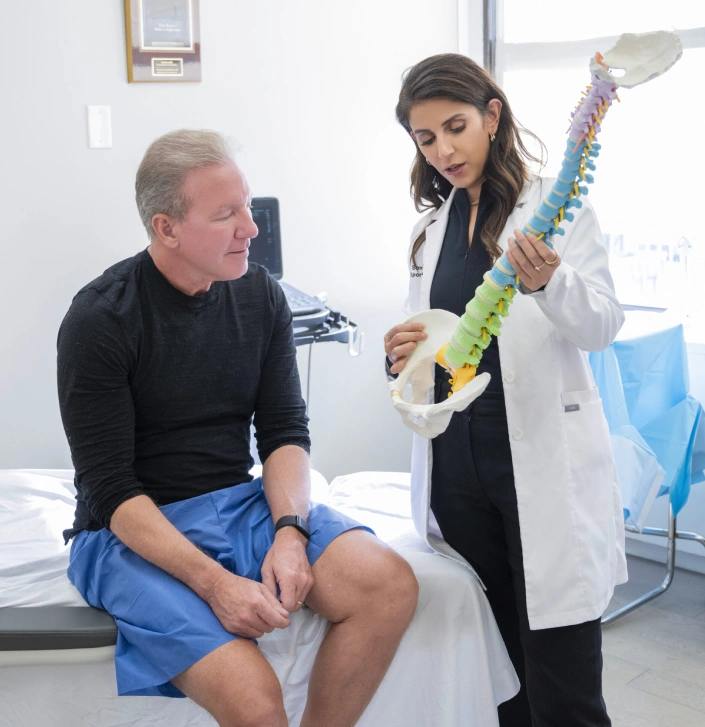
Training History
A detailed review of your training schedule, mileage progression, surfaces, and footwear.
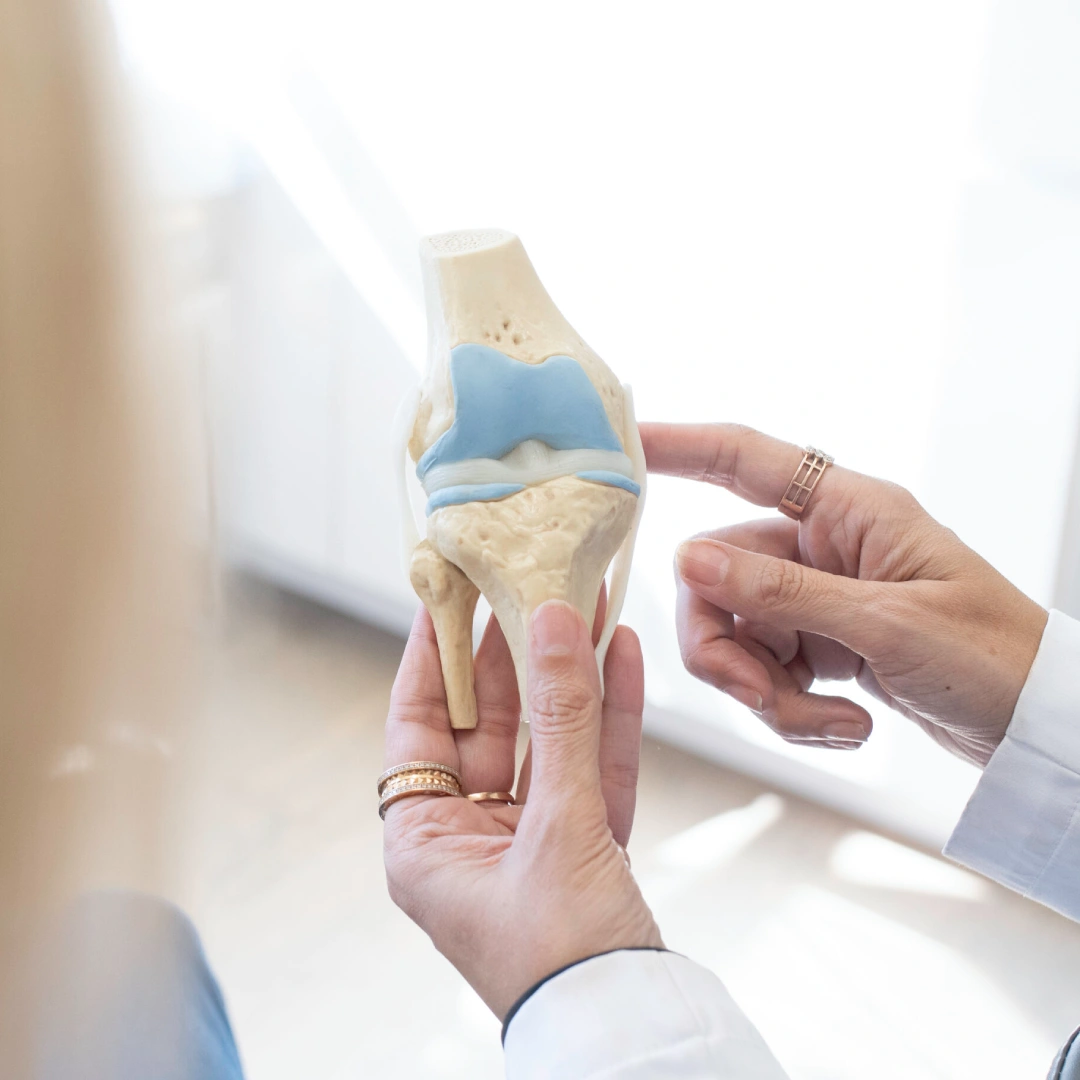
Physical Exam
A thorough assessment of structural alignment, joint stability, and muscle flexibility.
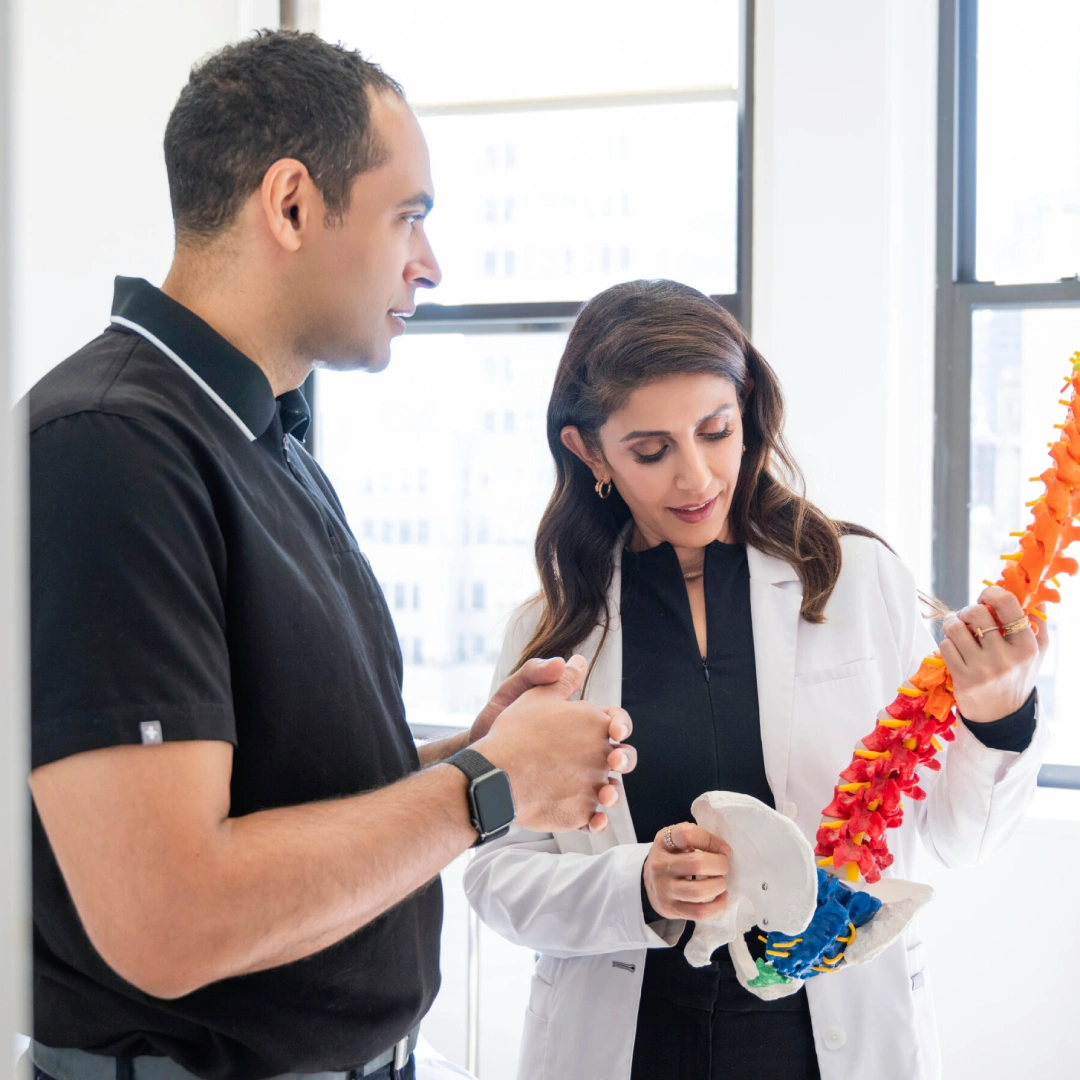
Movement Test
Functional movement assessment to evaluate running biomechanics and identify imbalances.
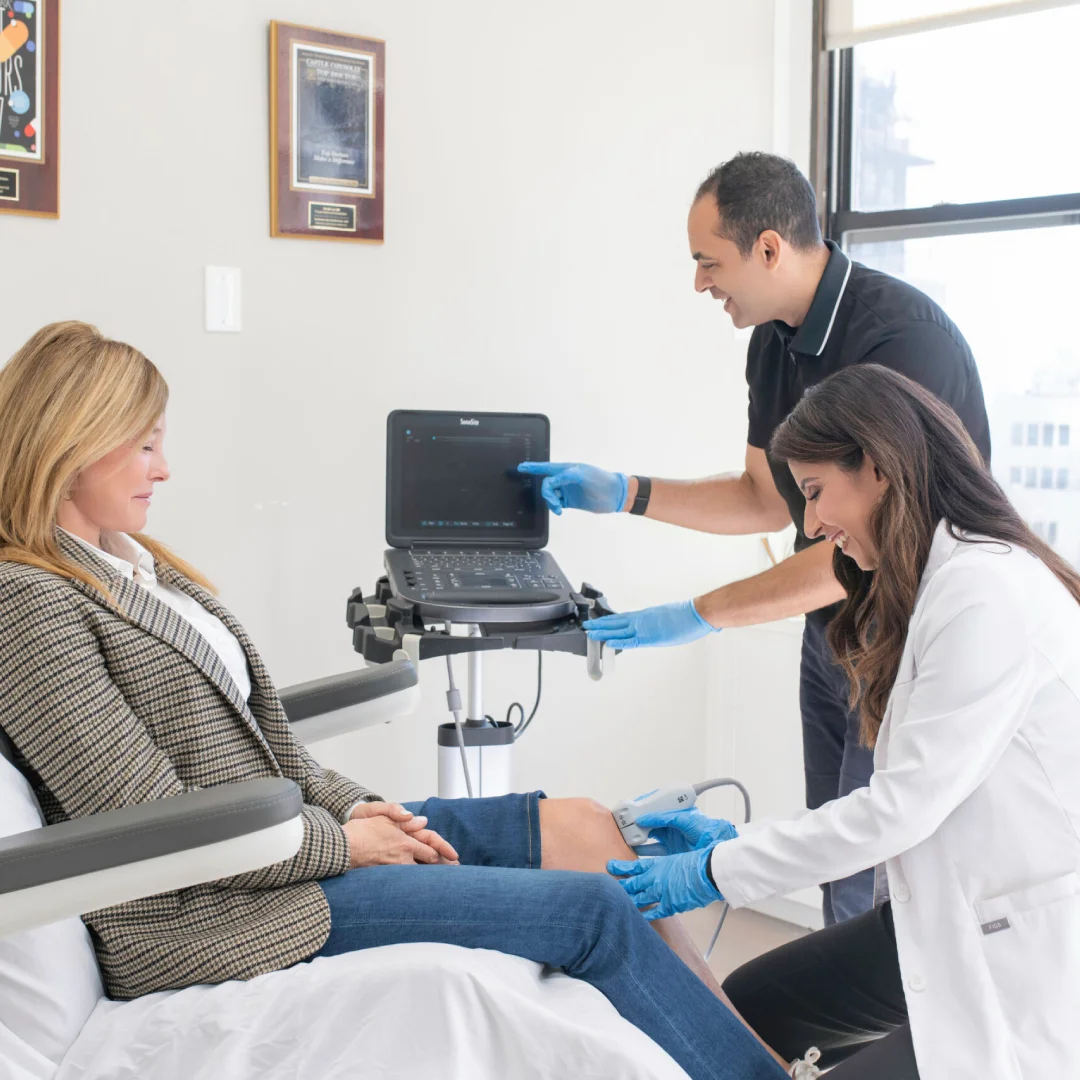
Ultrasound
Diagnostic musculoskeletal ultrasound to visualize active tendons, joints, and ligaments in real-time.
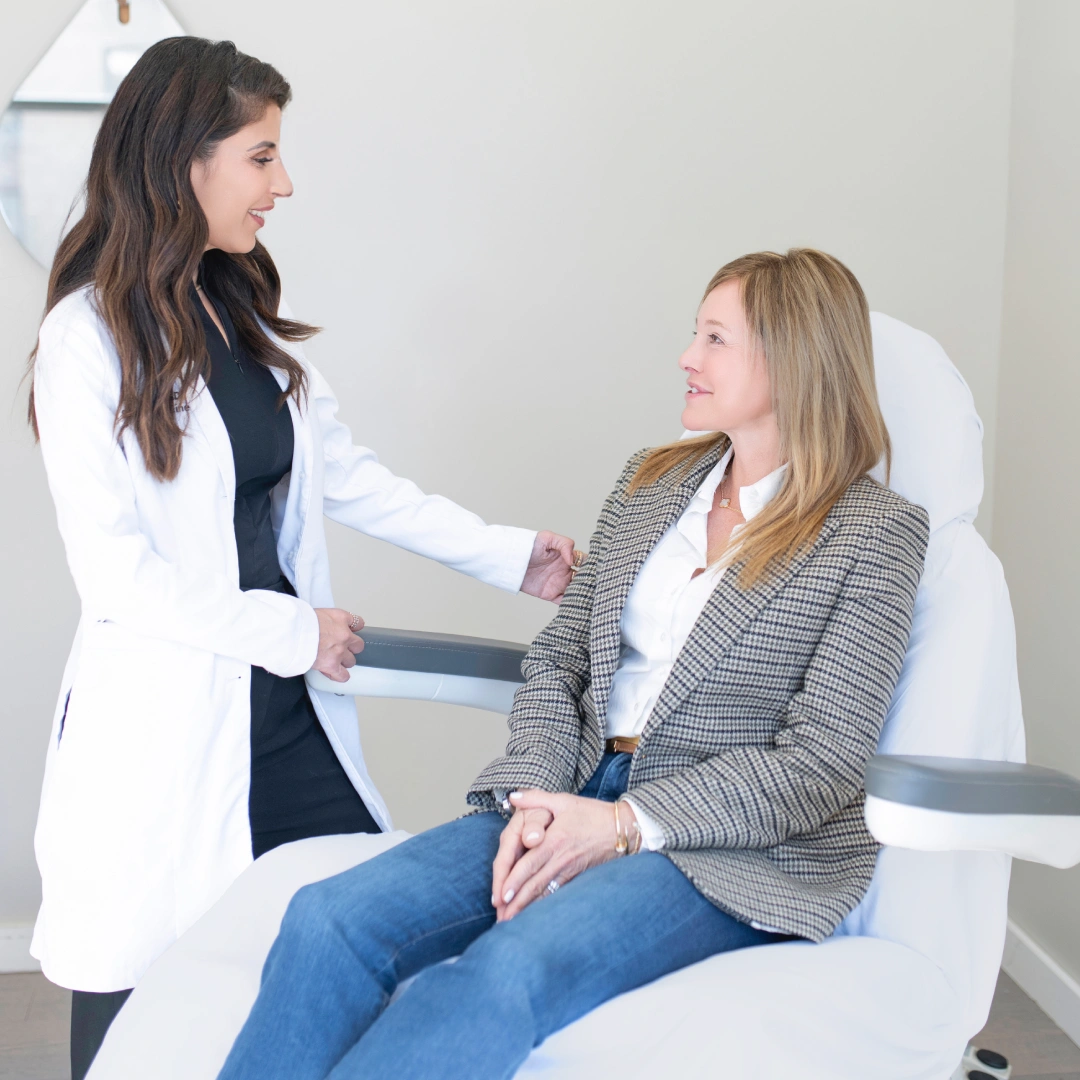
Recovery Plan
A customized plan incorporating non-surgical therapy, form recommendations, and return progression.
Tips to Help Prevent Running Injuries
Proactive training habits help keep your musculoskeletal system resilient and balanced, avoiding prolonged setbacks.
Consistent attention to the foundational mechanics of recovery and strength is the most reliable way to maintain health throughout your training cycles.
Best Preventative Habits
- Increase weekly mileage gradually
- Warm up dynamically before runs
- Strengthen hips, glutes & core
- Wear properly fitted shoes
- Replace worn footwear regularly
- Schedule dedicated recovery days
- Cross-train to avoid overload
- Address minor aches early
Personalized Non-Surgical Treatments
- Activity modification coaching
- Targeted physical therapy guidance
- Trigger point injections
- Platelet-Rich Plasma (PRP)
- BMAC therapy options
- Image-guided procedures

Why New York Runners Trust Dr. Sonali Lal
"Successful treatment begins with identifying why an injury developed. My goal is to help runners recover, improve movement, and reduce the risk of future injuries through personalized, evidence-based care."
Hear from Dr. Lal and her patients
These videos introduce Dr. Lal's care philosophy and share patient experiences with pain management, regenerative therapies, and non-surgical treatments.
Meet Dr. Lal
Learn more about the physician behind the specialized Manhattan practice.
Pain management testimonial
A patient shares their experience with Dr. Lal's comprehensive pain management care.
Back pain relief with Botox
Carmen shares how she is feeling after Botox for persistent back pain.
Trigger point testimonial
A patient story focused on trigger point injections and targeted relief.
Pain relief with PRP
A patient testimonial discussing autologous therapies and joint relief.
Trusted by Manhattan & Brooklyn runners
Patient feedback helps new visitors understand the clinical experience before scheduling a consultation.
Frequently Asked Questions About Running Injuries
Providing clear clinical guidance to help you navigate running pain, overuse conditions, and non-surgical recovery pathways.
When should I stop running because of pain?
If pain changes your running form, continues long after your run, worsens progressively over training cycles, or prevents normal daily activities, it's best to stop running and seek a professional biomechanical evaluation.
Can overuse injuries heal without surgery?
Yes. Many running-related injuries improve significantly with appropriate conservative treatment, targeted rehabilitation, biomechanical form adjustments, and structured activity modification. Surgery is rarely the first step.
Can PRP help running injuries?
For carefully selected tendon and ligament injuries, Platelet-Rich Plasma (PRP) therapy may be considered as part of a comprehensive treatment plan to stimulate biological tissue repair. Its appropriateness depends on your specific diagnosis.
Which Brooklyn neighborhoods do you serve?
Conveniently accessible from Brooklyn via public transit, our practice cares for patients and active runners from Williamsburg, Greenpoint, Bushwick, DUMBO, Downtown Brooklyn, and throughout New York City.
Schedule Your Running Injury Evaluation Today
If you're experiencing persistent pain while running in Williamsburg or anywhere in Brooklyn, early evaluation can help identify the cause of your symptoms and prevent a minor injury from becoming a long-term problem. My Upper West Side office is easily accessible for patients commuting across the Williamsburg Bridge or taking public transit from Williamsburg, Greenpoint, Bushwick, DUMBO, and Downtown Brooklyn.
240 West 73rd Street
New York, NY 10023
Mon to Fri
9:00 AM to 5:00 PM