
PRP for ACL Injuries
in NYC
Non-Surgical ACL Injury Treatment on the Upper West Side. Recover safely, restore knee function, and return to the activities you enjoy.
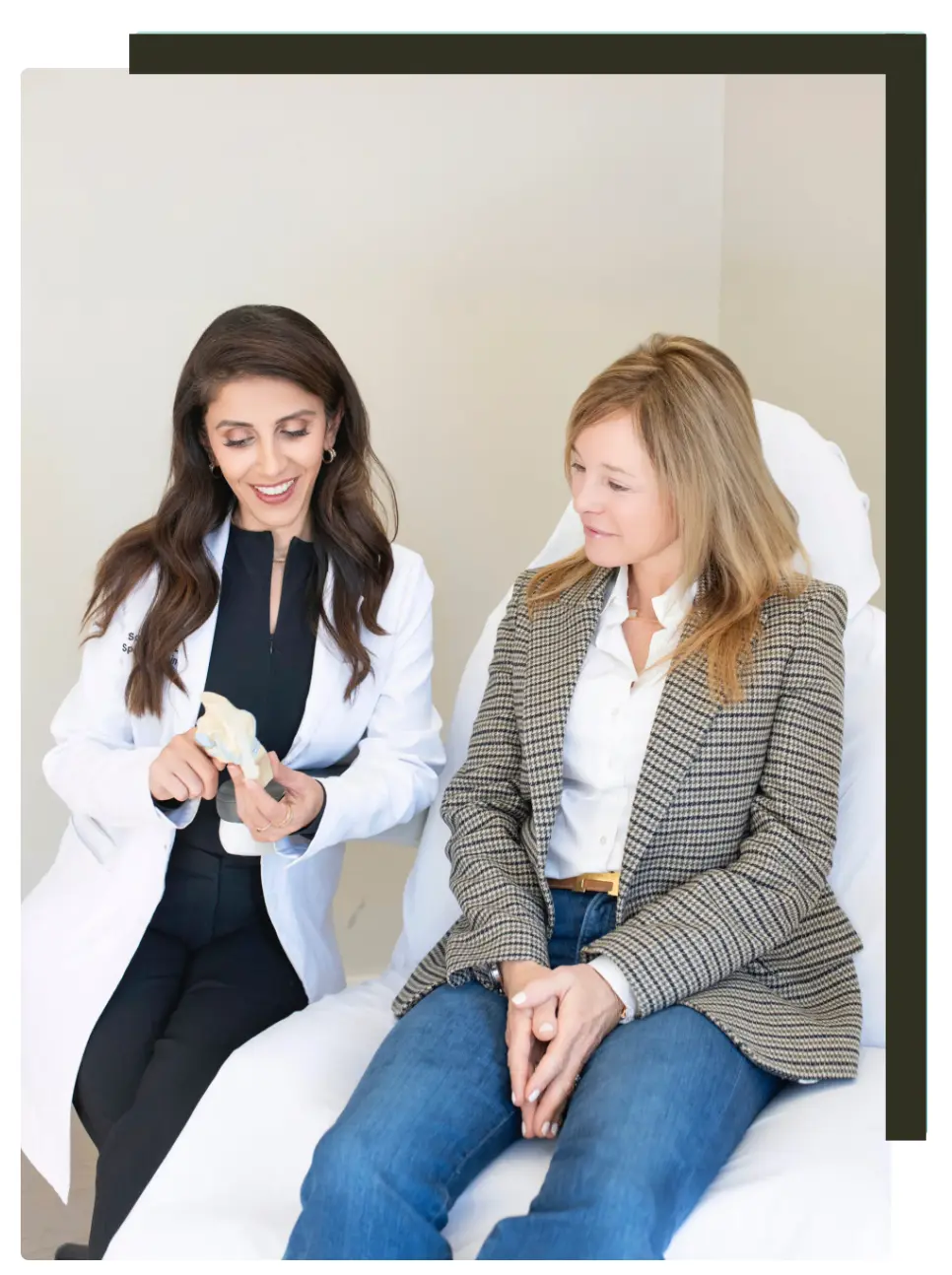
Non-Surgical Alternatives for Ligament Tears
An ACL injury can be a devastating setback for athletes, active adults, and anyone who depends on a healthy, stable knee. Whether the injury occurred during sports, exercise, or an unexpected accident, damage to the anterior cruciate ligament (ACL) can lead to pain, instability, reduced mobility, and difficulty returning to normal activities.
Many patients immediately assume that ACL surgery is their only option. While surgery remains an important treatment for certain complete ACL tears and high-demand athletes, not every ACL injury requires reconstruction. Partial tears, ligament sprains, and selected chronic ACL injuries may benefit from non-surgical treatment strategies that include regenerative medicine.
As a board-certified physiatrist with more than 20 years of experience in musculoskeletal and sports medicine, I specialize in diagnosing and treating ligament injuries using evidence-based, minimally invasive approaches. At my Upper West Side office in NYC, I offer Platelet-Rich Plasma (PRP) therapy as part of a comprehensive treatment plan for carefully selected patients with ACL injuries. — Dr. Sonali Lal, M.D.
What Is the ACL?
The anterior cruciate ligament (ACL) is one of the primary stabilizing ligaments of the knee. It connects the femur (thigh bone) to the tibia (shin bone) and plays a critical role in controlling knee stability, rotational movements, pivoting motions, sudden directional changes, and overall athletic performance.
When the ACL becomes injured, the knee may feel unstable, weak, or unable to tolerate certain activities. Many patients report hearing or feeling a "pop" at the time of injury. Proper evaluation of whether you are experiencing a partial or complete tear is vital to determining the appropriate non-surgical path.
The Precision Protocol
The procedure is highly controlled, image-guided, and focused on precision. Delivering targeted growth factors directly to the damaged structural zones of your knee.
Blood Collection
A small sample of blood is drawn during your appointment in a sterile, comfortable clinical setting.
Platelet Processing
The blood is processed to isolate platelet-rich plasma and concentrate growth factors and biologically active healing proteins.
Targeted Injection
PRP is delivered directly to the targeted ACL tear treatment area using advanced precision-guided techniques when appropriate.
Healing Response
The concentrated platelets release growth factors that support the body's natural tissue repair mechanisms and gradual recovery.
ACL Injuries: Causes and Injury Profiles
Differentiating partial ligament sprain profiles from full disruptions, while identifying athletic biomechanical strain patterns.
Common Injury Causes
ACL injuries frequently occur during sports and recreational activities. Mechanics include sudden changes in direction, pivoting movements, jumping and landing incorrectly, direct impact to the knee, rapid deceleration, and twisting injuries.
Sports-Related Strains
Highly common in cutting and pivoting sports including soccer, basketball, football, skiing, tennis, volleyball, lacrosse, and rugby. It also frequently occurs in active adults due to slips, falls, and accidental twists.
Partial ACL Tears
A partial tear means some ligament fibers remain intact. Patients may experience mild to moderate instability, pain with activity, difficulty returning to sports, and persistent weakness. These are excellent candidates for non-surgical treatments.
Complete ACL Tears
A complete tear involves full disruption of the ligament. Treatment recommendations depend on several factors, including age, activity level, athletic goals, knee stability, associated joint injuries, and overall health.
Why ACL Irritation Restricts
Damage to the ACL creates joint instability that triggers muscle splinting, protective spasms, and joint fluid retention. Minimizing this internal inflammatory environment is key to starting proper rehabilitation.
Targeted ACL Symptoms
- • Knee pain and immediate post-injury swelling
- • Knee instability and a feeling that the knee may "give out"
- • Limited range of motion, difficulty walking or changing direction
- • Hearing or feeling a distinct "pop" at the time of injury
- • Reduced athletic performance and loss of confidence in the knee
Sports Medicine Differentiators
A successful outcome begins with an accurate diagnosis. A sports injury requires more than simply identifying damaged tissue on an MRI. That is why my approach evaluates your complete injury history, knee mechanics, ligament stability, strength deficits, prior treatments, and specific athletic goals. Importantly, I do not rely solely on imaging. Instead, I correlate MRI findings with your symptoms, physical examination, and functional limitations to develop a personalized treatment plan.
One of the biggest misconceptions about regenerative medicine is that a single injection solves every problem. Rather than relying on standard corticosteroid injections that temporarily suppress inflammation, PRP therapy focuses on supporting biological repair mechanisms using your own biological material, providing a minimally invasive alternative to surgery.
Integrated Sports Rehabilitation
Successful ACL recovery often requires a comprehensive approach. I integrate regenerative procedures with a structured rehabilitation strategy that may include: targeted physical therapy, strength training, neuromuscular re-education, activity modification, movement retraining, sports-specific rehabilitation, and injury prevention strategies. This helps maximize successful outcomes.
Why Image Guidance Matters
The knee contains highly complex nerve pathways, ligaments, and tendons. Blind injections risk missing the targeted structure entirely. I utilize advanced musculoskeletal ultrasound and fluoroscopic imaging when appropriate to ensure precise placement of your autologous platelets directly into the damaged target tissues, maximizing safety and diagnostic confidence.
Determining Appropriateness
Before recommending PRP therapy, I carefully determine whether it is the most appropriate option based on your diagnosis, severity of tissue damage, and individual recovery goals. Not all ACL injuries are appropriate candidates; severe complete tears or advanced structural instability with multiligament damage may require alternate interventional or surgical reconstruction approaches.
Many patients achieve complete, lasting recovery through conservative measures alone—including physical therapy, brace stabilization, and muscle strengthening. However, when conservative therapy fails to provide full relief, PRP becomes an important part of treatment.
Why Patients Seek PRP Instead of Surgery
Active patients, weekend warriors, and professional athletes choose Platelet-Rich Plasma to avoid long-term surgery and general anesthesia. PRP allows you to:
- • Utilize your body’s own natural healing and growth cells
- • Avoid invasive reconstruction operations, general anesthesia, and prolonged hospital stays
- • Experience minimal downtime compared to surgical interventions, while complementing physical therapy
- • Integrate safely with other non-surgical plans, such as trigger point injections, prolotherapy, or targeted physical therapy

Dr. Sonali Lal, M.D.
Board-Certified Physiatrist | Sports Medicine Expert
I am Dr. Sonali Lal, a board-certified physiatrist with more than 20 years of experience specializing in musculoskeletal medicine, sports injuries, spine and joint conditions, and regenerative medicine. As an attending physician affiliated with NewYork–Presbyterian Hospital and Assistant Clinical Professor at Columbia University, I focus on non-surgical orthopedic care.
My practice offers a wide range of advanced non-surgical and regenerative procedures designed to help you avoid invasive operations, including PRP therapy, prolotherapy, platelet lysate therapy, and BMAC therapy (Bone Marrow Aspirate Concentrate). Whether you suffer from localized tendon stiffness, ACL ligament injuries, chronic elbow pain, hip pain, or complex ankle and foot pain, we prioritize finding the root pain generator through precise, patient-centered care.
"I believe every patient deserves an individualized treatment plan based on their diagnosis, lifestyle, and long-term goals—not a one-size-fits-all approach. We focus on diagnosing and treating the whole patient, not just their imaging findings."
Recovery & Expectations
Regenerative medicine is not an overnight fix. Because PRP works by supporting biological healing and tissue remodeling, progress is typically gradual rather than immediate.
Post-Procedure Symptoms
• Mild soreness or stiffness for several days
• Temporary inflammation (part of the healing response)
• Gradual relief over several weeks
Rehabilitative Support
• Physical therapy & bracing compliance
• Knee and core stabilization
• Gradual return to athletic activities
Frequently Asked Questions
Is PRP painful?
Most patients tolerate the procedure well. Discomfort may occur during the injection and temporary soreness afterward is common, especially when treating chronically damaged or degenerated tissue.
How many PRP treatments are needed?
This depends on the condition being treated, the severity of tissue damage, individual response, and activity demands. Some patients notice improvement after a single session, while others require a series.
How long does it take to see results?
PRP works gradually by supporting biological repair. Some patients notice improvement within several weeks, while others continue improving over several months as tissue remodeling continues.
Is PRP better than cortisone injections?
They work differently. Cortisone is designed primarily to reduce inflammation temporarily for fast symptom relief. PRP is intended to support tissue healing and regeneration, addressing the underlying tendon or ligament degeneration directly.
Can PRP help avoid surgery?
In some patients with mild-to-moderate injuries, PRP can improve pain and function enough to delay or avoid surgery entirely. However, severe complete tears or advanced structural instability may still require orthopedic surgical intervention.
Patient Success Stories
Verified Patient Recovery
Upper West Side Orthopedics
If you are struggling with an ACL injury that has not improved with rest, therapy, or other conservative treatments, a thorough evaluation is the first step. Let's build a treatment plan centered around your long-term recovery.
240 West 73rd Street
New York, NY 10023
Call Office
(212) 404-1009