
Advanced PRP
for Back Pain.
Chronic back pain can make simple activities feel exhausting. Dr. Sonali Lal, M.D., uses your own healing factors to support natural tissue repair and improve spinal function.
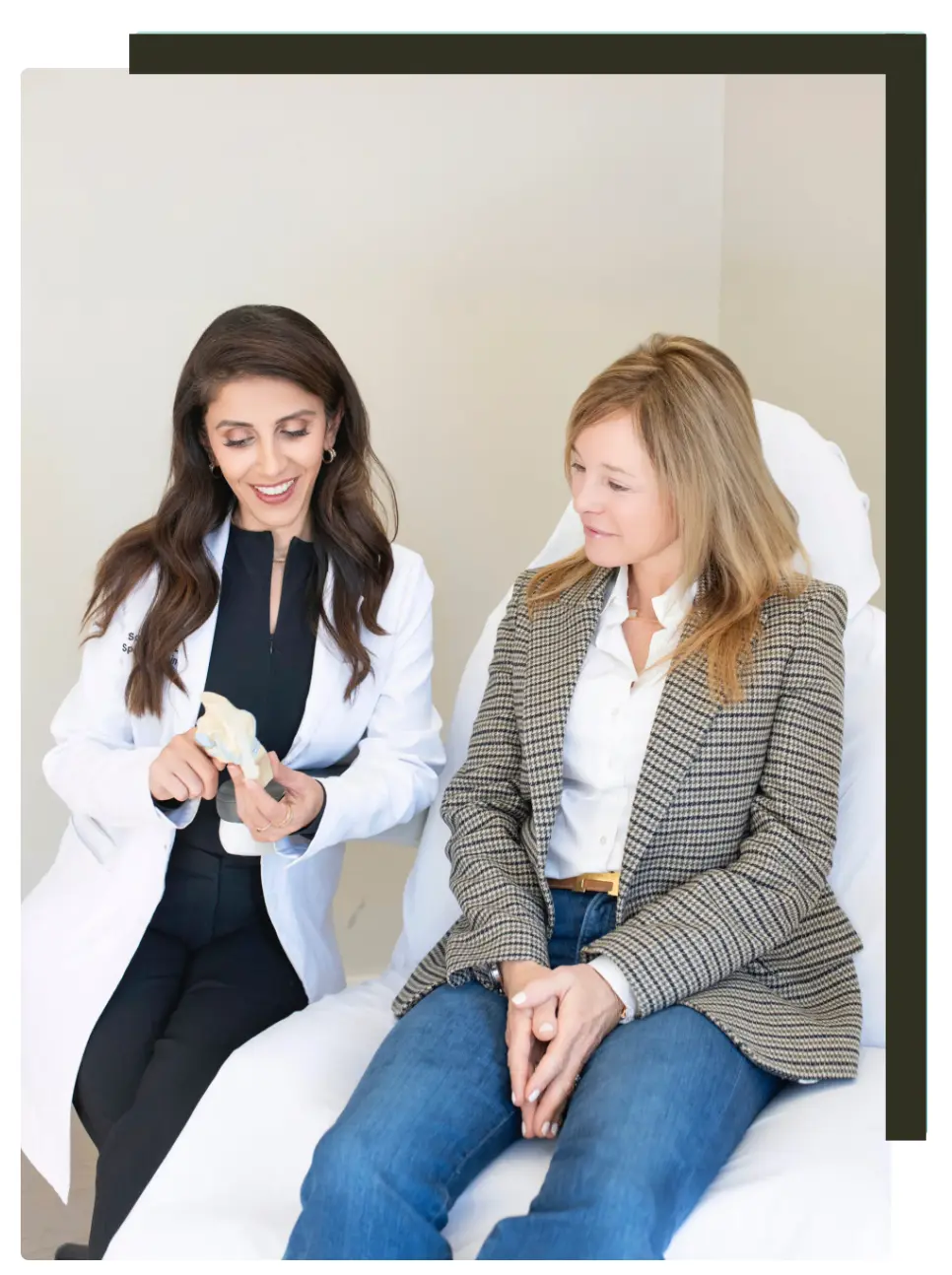
What is PRP Therapy?
PRP, or Platelet-Rich Plasma, is a regenerative treatment created using a small sample of your own blood. Your blood is processed in a centrifuge to isolate a concentrated layer of platelets containing growth factors and healing proteins. These platelets are then carefully injected into the targeted area under image guidance.
Platelets play a major role in the body’s healing response. When concentrated and delivered precisely to injured or degenerative tissues, they may help stimulate repair processes that support recovery and reduce inflammation.
Understanding Your Back Pain
Back pain is one of the most common musculoskeletal complaints, but it is not a "one size fits all" issue. Successful treatment depends on accurately identifying the pain generator.
The Precision Protocol
Our image-guided process ensures the highest accuracy in Manhattan.
Collection
A small amount of your blood is drawn, similar to a routine blood test.
Preparation
A specialized centrifuge separates and concentrates the healing platelets.
Injection
Under ultrasound or fluoroscopic guidance, PRP is precisely injected.
Recovery
Most patients return home immediately with a personalized rehabilitation plan.
Conditions That May Benefit
Degenerative Disc Disease
As discs lose hydration over time, PRP may help support surrounding tissue health and reduce inflammatory irritation.
Facet Joint Pain
Arthritis in these stabilizing joints can cause pain with twisting. PRP may improve joint function and reduce inflammation.
SI Joint Dysfunction
Instability in the sacroiliac joint causes buttock and hip pain. PRP can help stabilize supportive ligaments.
Ligament Injury
Injured spinal ligaments contribute to chronic instability. PRP targets weakened connective tissue structures.
Muscle & Fascia
Chronic muscular strain and myofascial pain can be addressed with select regenerative approaches.
Minimally Invasive
PRP offers an effective alternative for patients who want to avoid surgery or repeated steroid injections.
PRP vs. Steroid Injections
Steroid Injections
Steroids primarily aim to suppress inflammation temporarily. While they provide quick relief, repeated exposure may not support long-term tissue healing.
Platelet-Rich Plasma
PRP differs because it focuses on supporting the body’s regenerative and repair processes using your own biological material for long-term health.
"Healing is a process, and regenerative medicine works best when combined with proper rehabilitation strategies."

Dr. Sonali Lal, M.D.
Board-Certified Physiatrist | 20+ Years Experience
As an Attending Physician at NewYork–Presbyterian Hospital and Assistant Clinical Professor at Columbia University, Dr. Lal focuses on evidence-based non-surgical orthopedic treatments. She specializes in identifying the true pain source and restoring quality of life.
Patient Success Gallery
Frequently Asked Questions
Is PRP painful?
Most patients tolerate the procedure well. Some soreness and inflammation afterward are common because PRP stimulates a healing response.
How long does PRP take to work?
Healing timelines vary. Some patients notice improvements within weeks, while others experience gradual benefits over several months.
How many PRP treatments are needed?
This depends on severity and treatment goals. Some patients improve after one treatment, while others benefit from a series.
Is there downtime after PRP?
Most patients avoid strenuous activity temporarily but can resume light activities relatively quickly. Instructions are individualized.
Is PRP safe?
Because PRP uses your own blood, the risk of allergic reaction is low. Risks are discussed thoroughly during your consultation.
Contact & Location
Manhattan Office
240 West 73rd Street, New York, NY 10023
Phone
(212) 404-1009Opening Hours
Mon to Fri 9:00 AM to 5:00 PM