
PRP for Knee Pain on the Upper West Side: A Personalized Approach by Dr. Sonali Lal, M.D.
I am Dr. Sonali Lal, M.D., a board-certified physiatrist with over 20 years of experience in musculoskeletal and regenerative medicine, and I specialize in PRP therapy for knee pain using precise, evidence-based techniques here in Manhattan.
When you come to see me with knee pain, one of the first things I evaluate is whether your condition may benefit from regenerative treatment such as Platelet-Rich Plasma, or PRP. Many of my patients across the Upper West Side and NYC are active individuals who want to stay mobile, avoid surgery, and return to their daily routines without ongoing pain.
Knee pain can develop for many reasons. It may be due to osteoarthritis, tendon injuries, ligament strain, or overuse from repetitive activity. What these conditions often have in common is inflammation and tissue breakdown. PRP therapy is designed to support your body’s natural healing response rather than simply masking symptoms.
What I want you to understand is this. PRP is not a quick fix. It is a biologic treatment that works with your body to promote healing at the source of your pain.
"I perform PRP treatments at my Upper West Side clinic for patients across NYC who are looking for advanced, non-surgical solutions to knee pain."
Evaluating Your Knee Pain
I combine my expertise as an Attending Physician at NewYork–Presbyterian Hospital and Assistant Clinical Professor at Columbia University to determine whether PRP is the right treatment for your knee pain.
Not every knee condition is the same, and not every patient is an ideal candidate for PRP. When you sit with me, I take a detailed history and perform a focused examination of your knee.
I evaluate:
- ✓ The location and nature of your pain
- ✓ Your activity level and lifestyle in Manhattan
- ✓ Any prior injuries or treatments
- ✓ Your movement patterns and joint stability
I may also use imaging such as X-rays or MRI to understand the condition of your joint and surrounding tissues.
PRP is particularly effective for:
- ✓ Mild to moderate knee osteoarthritis
- ✓ Tendon injuries such as patellar tendinitis
- ✓ Ligament sprains
- ✓ Chronic inflammation that has not responded to standard care
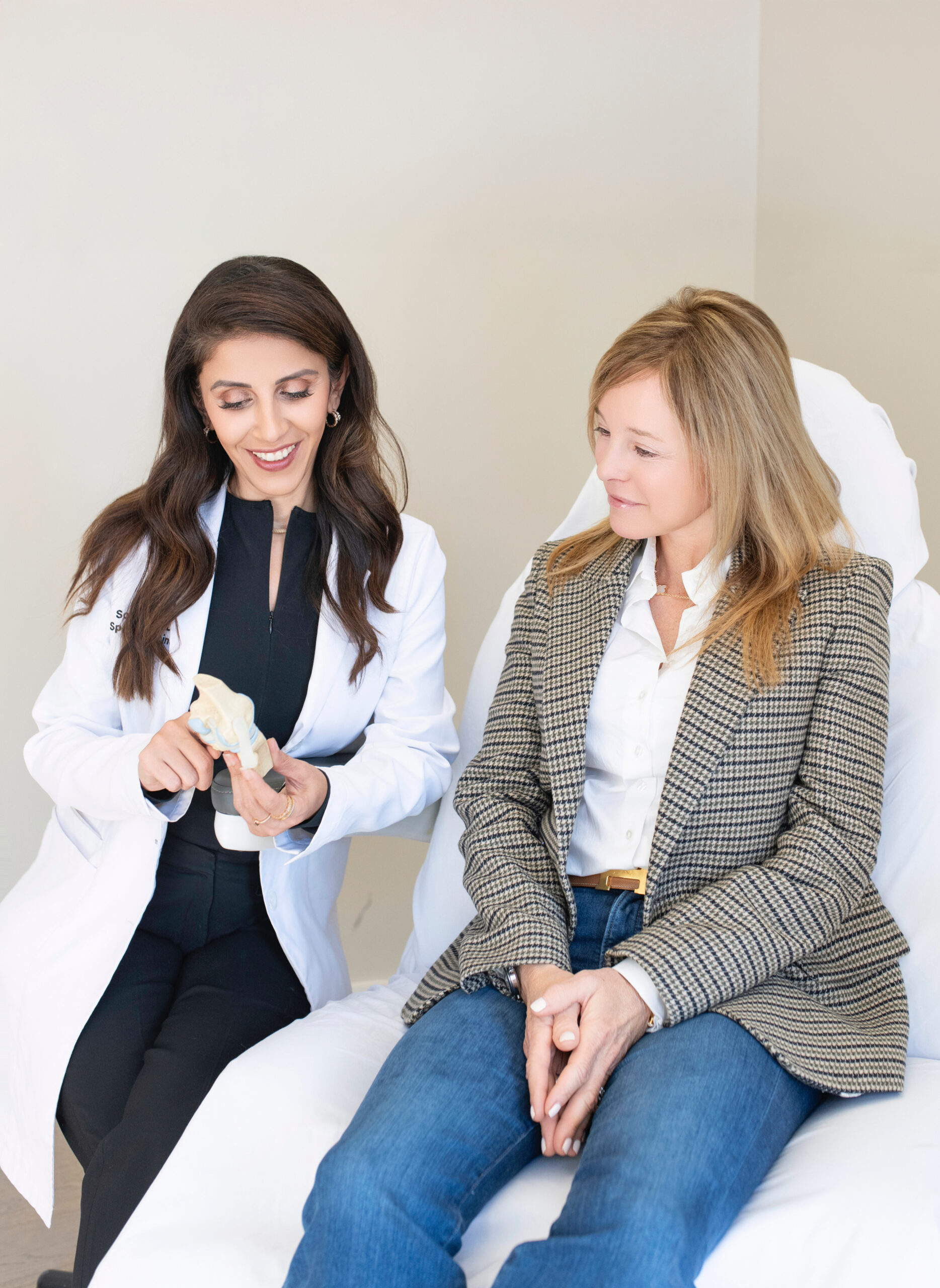
My goal is to ensure that PRP is not just an option, but the right option for you.
"I carefully evaluate each patient at my Manhattan practice to determine whether PRP therapy will provide meaningful and lasting benefit."
The PRP Process
I use a precise, step-by-step process to perform PRP therapy safely and effectively. One of the most important aspects of PRP treatment is how it is performed. Precision and technique matter. Here is how the process works when you receive PRP treatment with me:
Blood Collection
A small sample of your blood is drawn, similar to a routine lab test.
Processing the PRP
The blood is placed in a centrifuge, which separates the platelet-rich plasma from other components. Platelets contain growth factors that play a key role in healing.
Image-Guided Injection
Using ultrasound guidance, I inject the PRP directly into the affected area of your knee. This ensures accuracy and maximizes the effectiveness of the treatment.
This is not a blind injection. It is a targeted, image-guided procedure designed to deliver healing factors exactly where they are needed.
"I perform all PRP injections under image guidance at my Upper West Side clinic to ensure precision, safety, and optimal outcomes."
Schedule your personalized evaluation with Dr. Sonali Lal today.
Patient Success Stories
Hear directly from our patients about their experiences and recoveries with our personalized, non-surgical treatments.
Realistic Expectations
I focus on helping you understand what PRP can realistically achieve for your knee pain. PRP is a powerful tool, but it is important to have clear expectations.
The goal of PRP therapy is to:
- ✓ Reduce inflammation
- ✓ Support tissue healing
- ✓ Improve joint function
- ✓ Decrease pain over time
Unlike corticosteroid injections, which may provide temporary relief, PRP works gradually by stimulating your body’s natural repair processes. Most patients begin to notice improvement over several weeks, with continued progress over a few months.
Your results will depend on:
- ✓ The severity of your condition
- ✓ Your overall health
- ✓ Your adherence to post-treatment recommendations
Recovery and Rehabilitation
I guide you through recovery and rehabilitation to maximize the benefits of PRP therapy.
PRP is not a standalone treatment. What you do after the injection plays a critical role in your recovery. After your procedure, I provide a structured plan that may include:
- • Temporary activity modification
- • Gradual return to movement
- • Targeted physical therapy
- • Strengthening exercises to support the knee
Living in NYC, many patients want to return quickly to walking, commuting, and exercise. I help you do this safely and progressively. The goal is not just pain relief, but improved function and long-term joint health.
"I take the time to explain the expected outcomes and timeline of PRP therapy to each patient at my Manhattan practice so that you feel informed and confident in your treatment."
"I work closely with my patients at my Upper West Side clinic to guide them through every stage of recovery after PRP treatment."
Avoiding Surgery & Adapting to Your Lifestyle

I help patients across Manhattan avoid unnecessary surgery by offering advanced regenerative options like PRP.
One of the most common concerns I hear is whether surgery can be avoided. In many cases, PRP can be part of a strategy to delay or even prevent surgical intervention.
This is especially true for:
- ✓ Early to moderate knee arthritis
- ✓ Chronic tendon conditions
- ✓ Patients who want to stay active without invasive procedures
PRP is not a replacement for surgery in all cases, but it can be a valuable option when used appropriately. Patients throughout NYC appreciate having access to treatments that support healing while allowing them to maintain their lifestyle.
"I provide advanced regenerative treatments at my Manhattan clinic to help patients explore effective, non-surgical options for knee pain."
I evaluate how your daily activities in NYC impact your knee pain and incorporate that into your treatment plan.
Knee pain is often influenced by how you move throughout your day. Walking long distances, climbing stairs, and staying active in Manhattan can place significant stress on your knees.
When I evaluate you, I look at:
- ✓ Your gait and walking pattern
- ✓ Your exercise routine
- ✓ Muscle strength and joint stability
- ✓ Activities that may be contributing to your symptoms
PRP works best when combined with a comprehensive approach that addresses these factors. I help you make practical adjustments so that your knee can heal while you continue your daily activities.
"I regularly work with patients across the Upper West Side and NYC to help them stay active while managing and improving knee pain."
Expertise You Can Trust
I bring recognized expertise, academic leadership, and a patient-centered approach to PRP therapy in NYC.
With over two decades of experience in musculoskeletal and regenerative medicine, I have helped many patients find relief from chronic knee pain.
My credentials include:
Patients across NYC trust my approach because it is thoughtful, precise, and grounded in evidence-based medicine.
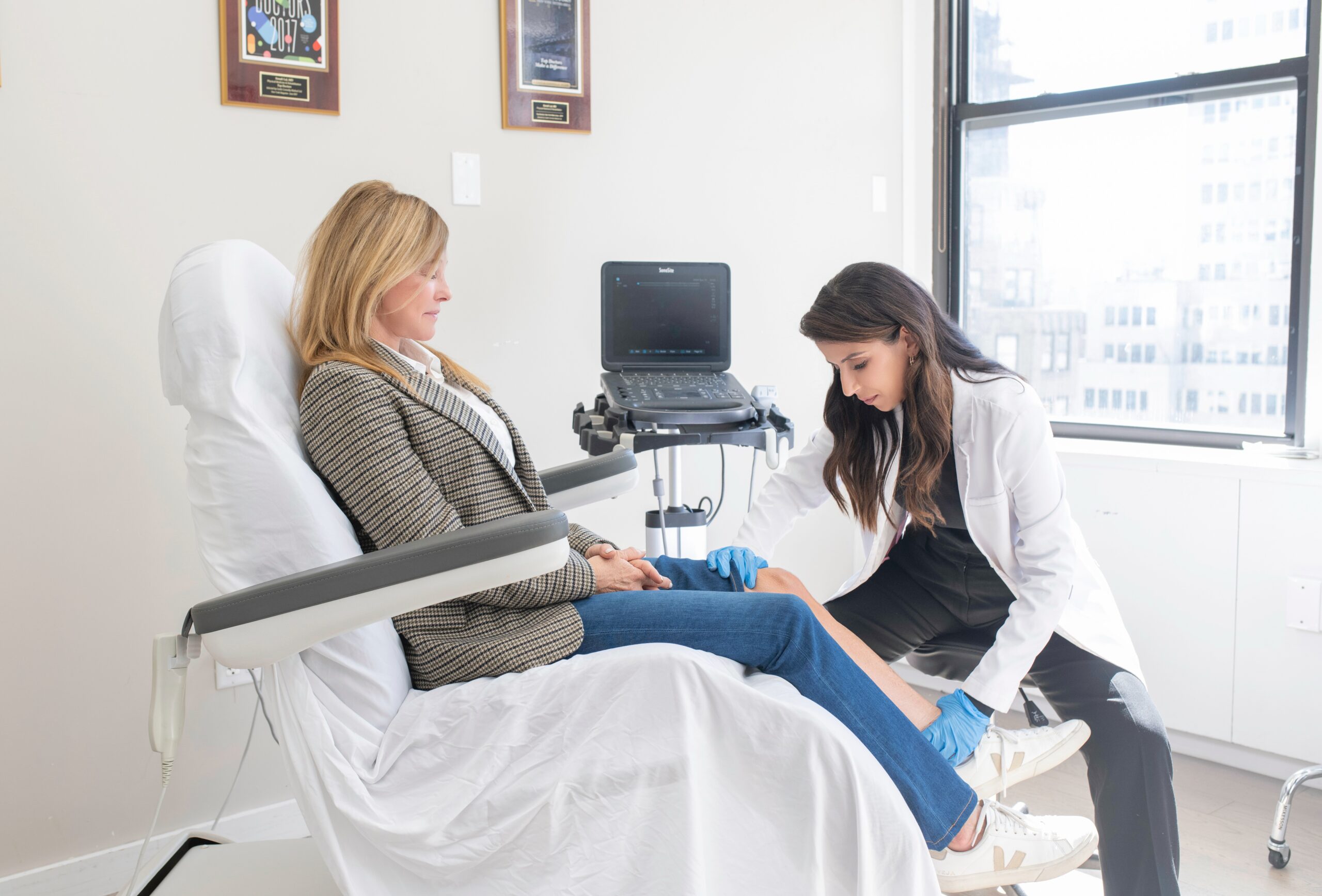
"I bring my full clinical expertise and commitment to patient care to every individual I treat at my Upper West Side clinic."
I provide expert PRP treatment for knee pain right here on the Upper West Side for patients across NYC.
If you are dealing with persistent knee pain that is limiting your mobility, it is important to explore all of your options. PRP therapy offers a way to support healing, improve function, and reduce pain without relying on surgery.
From your first visit, my focus is on understanding your condition, determining whether PRP is appropriate, and guiding you through a treatment plan that aligns with your goals.
You deserve care that is precise, personalized, and focused on long-term results.
"I see patients at my Upper West Side clinic and provide advanced PRP therapy for knee pain to individuals across NYC seeking effective, non-surgical care."
Frequently Asked Questions About PRP for Knee Pain
What is PRP therapy for knee pain?
PRP, or Platelet-Rich Plasma, is a treatment that uses components from your own blood to promote healing in damaged or inflamed tissues. It is commonly used for knee arthritis, tendon injuries, and chronic knee pain.
"I offer PRP therapy at my Upper West Side clinic using precise, image-guided techniques to ensure effective treatment."
— Dr. Sonali Lal, M.D.
How many PRP treatments will I need?
The number of treatments varies depending on your condition. Some patients benefit from a single injection, while others may require a series of treatments for optimal results.
"I evaluate each patient individually at my Manhattan practice to determine the most appropriate treatment plan."
— Dr. Sonali Lal, M.D.
Is PRP therapy safe?
Yes, PRP is considered safe because it uses your own blood, reducing the risk of allergic reactions or complications. The procedure is minimally invasive and performed under sterile conditions.
"I follow strict medical protocols at my Upper West Side clinic to ensure safety and effectiveness in every PRP procedure."
— Dr. Sonali Lal, M.D.
How long does it take to see results from PRP?
Most patients begin to notice improvement within a few weeks, with continued progress over several months as the healing process develops.
"I guide patients through the recovery timeline at my Manhattan clinic so they understand what to expect at each stage."
— Dr. Sonali Lal, M.D.
Can PRP help avoid knee surgery?
In many cases, PRP can help delay or reduce the need for surgery, especially in early to moderate conditions. However, it is not a replacement for surgery in all situations.
"I help patients at my Upper West Side clinic explore all appropriate treatment options based on their condition and goals."
— Dr. Sonali Lal, M.D.