
Advanced PRP
for Shoulder Pain.
Shoulder pain can make even the simplest movements difficult. Reaching overhead, lifting groceries, or even getting dressed may become painful and frustrating.
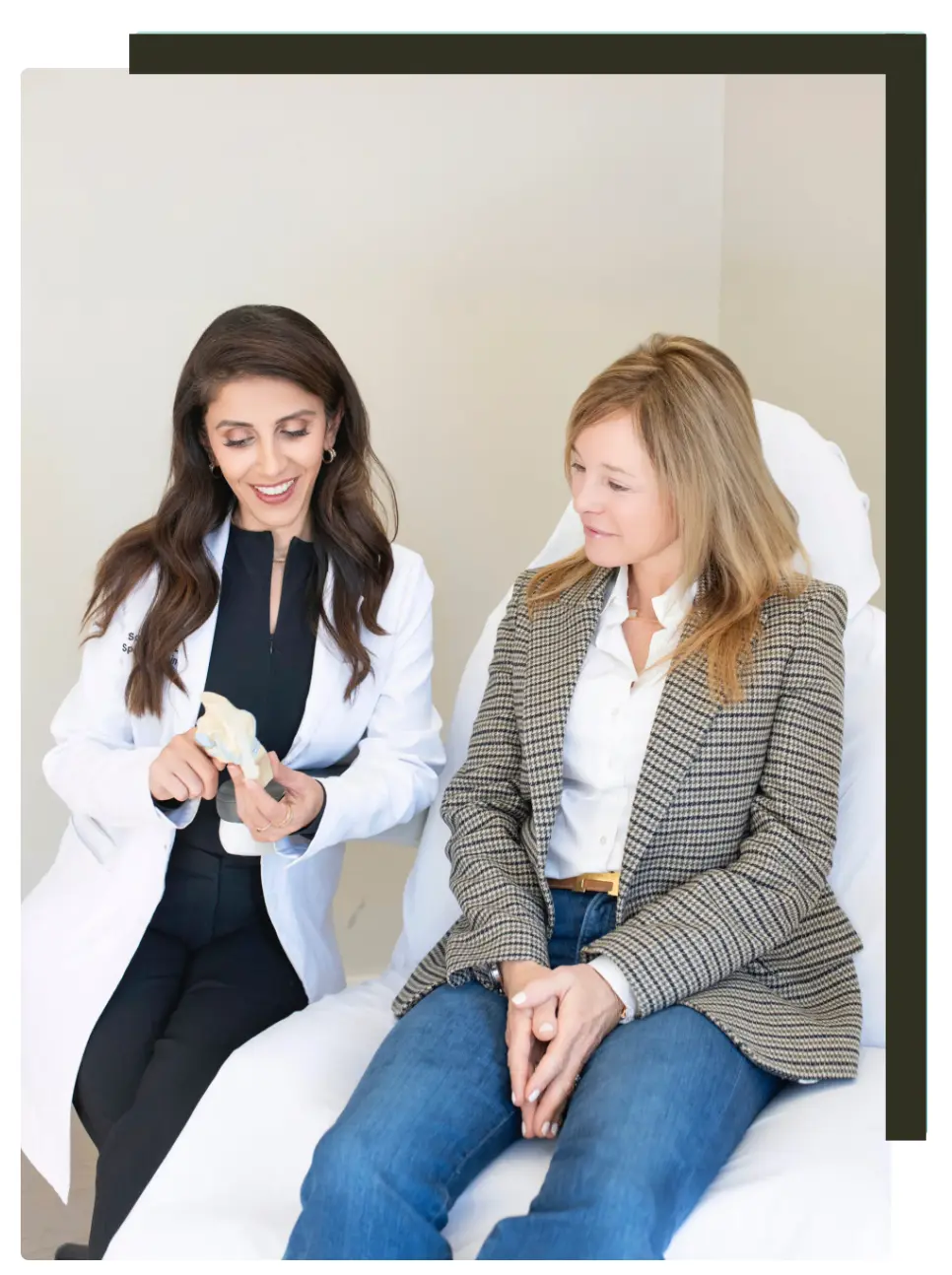
What Is PRP Therapy?
Platelet-Rich Plasma therapy is a regenerative medicine treatment that uses concentrated platelets obtained from your own blood. Platelets contain growth factors and biologically active proteins that may help support tissue healing and reduce inflammation.
Because PRP is created from your own blood, the treatment is considered autologous, meaning it comes directly from your body. I use ultrasound guidance during injections to improve precision and accurately target damaged tendons, ligaments, joints, or soft tissue structures within the shoulder.
The PRP Process:
- Drawing a small sample of your blood
- Processing the blood in a centrifuge to isolate platelets
- Injecting concentrated PRP under ultrasound guidance
Symptoms & Approach
You should consider a medical evaluation if you experience persistent pain, Clicking or instability, or difficulty reaching overhead. I believe accurate diagnosis is essential for success. During your evaluation, I perform:
When to seek evaluation:
- • Pain interfering with sleep
- • Weakness when lifting the arm
- • Reduced shoulder mobility
- • Chronic inflammation resistant to PT
The Precision Protocol
Rather than simply masking symptoms, PRP focuses on identifying the true source of pain and supporting healing in damaged shoulder structures.
Consultation
Determining candidacy and treatment goals; patient selection is critical for regenerative success.
Blood Draw
A routine blood sample is collected and processed in a specialized centrifuge to concentrate platelets.
Injection
Careful injection using real-time ultrasound guidance to visualize tendons and joints with absolute precision.
Rehabilitation
A customized plan including activity modification, PT, and a gradual return to your Manhattan lifestyle.
Conditions Treated
PRP therapy is highly effective for chronic shoulder issues when conservative treatments have not provided sufficient relief.
Rotator Cuff Tears
Addressing tendon degeneration or tearing. PRP helps stimulate healing in chronically irritated rotator cuff tendons that cause lifting pain and clicking.
Shoulder Osteoarthritis
Helping reduce inflammation and improve joint stiffness and grinding sensations without relying solely on corticosteroid injections.
Labral Injuries
Targeting the cartilage that stabilizes the shoulder socket. PRP is used as part of a comprehensive non-surgical plan for instability.
Biceps Tendonitis
Targeting chronic tendon degeneration and persistent inflammation in the front of the shoulder caused by lifting or pulling.
Shoulder Impingement
Addressing tendon irritation and compression during arm movement, often responsible for sharp overhead pain and night pain.
Expected Outcomes
- Gradual pain reduction
- Improved range of motion
- Restored sports performance
- Enhanced daily function
Is PRP Better Than Steroids?
Steroid Injections
Primarily aim to suppress inflammation temporarily. However, repeated steroid use may weaken certain tissues over time in some patients.
Platelet-Rich Plasma
PRP works differently by supporting tissue healing and regeneration. It is intended for long-term functional recovery and tissue health.
Precision & Safety
Image guidance is extremely important in shoulder medicine because it improves accuracy and diagnostic confidence. Blind injections may miss intended tissues in complex structures.
Are You a Candidate?
- • Chronic shoulder pain lasting weeks
- • Desire to avoid surgery/anesthesia
- • No improvement from rest or PT
- • Tendon injuries or mild degeneration
- • Preference for non-surgical options

Dr. Sonali Lal, M.D.
Board-Certified Physiatrist | 20+ Years Experience
Dr. Sonali Lal is a board-certified specialist in Physical Medicine and Rehabilitation with extensive experience treating orthopedic, spine, joint, tendon, and sports-related injuries. She serves as an Attending Physician at NewYork–Presbyterian Hospital and an Assistant Clinical Professor at Columbia University.
Recovery & Results
PRP is not a temporary numbing injection. Improvement often occurs gradually over several months depending on tissue damage and health. Healing is a process, best combined with structured rehabilitation.
Rehab Strategy
• Stretching
• Strengthening
• Activity guidance
Monitoring
• Range of motion
• Strength gains
• Daily function
Frequently Asked Questions
Is PRP painful?
Most patients tolerate the procedure well. Some soreness and inflammation afterward are common because PRP stimulates a healing response.
How long does it take to work?
Some patients notice changes within weeks, while others improve over several months depending on tissue chronicity and rehab adherence.
Can it replace surgery?
PRP is not a replacement for every condition, but patients with mild-to-moderate degenerative conditions often explore regenerative options before surgery.
Visit the Clinic
Located at 240 West 73rd Street in Manhattan’s Upper West Side, I provide tailored PRP plans focused on restoring movement and quality of life.
Manhattan Office
240 West 73rd Street, New York, NY 10023
Phone
(212) 404-1009